
Blogs
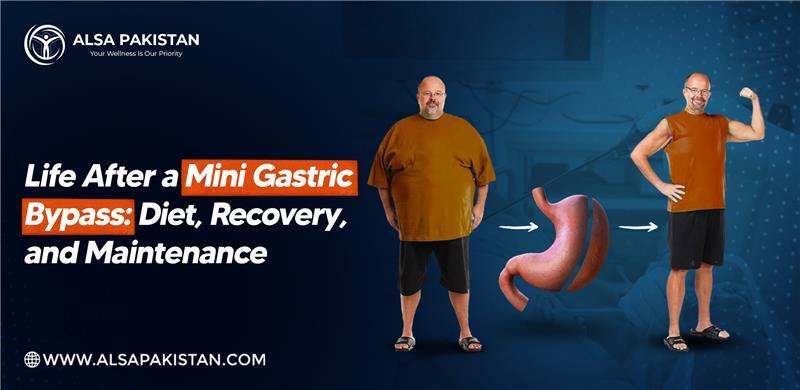
Life After a Mini Gastric Bypass: Diet, Recovery, and Maintenance
Mini Gastric Bypass (MGB) is an effective and sustainable weight-loss procedure. It functions by making the stomach smaller and changing its line of digestion, which restricts the amount of food that is taken in and the calorie uptake. However, one must keep in mind that surgery is not a magic cure. It only forms the beginning of a lifetime process of achieving a healthier state.
Therefore, the actual success of MGB is determined by the events that follow, the efficiency of adaptation of patients with regard to their diet, treatment regimen, and long-term results maintenance program.
All the stages must be dealt with patience and be guided by senior bariatric professionals. Moreover, lifestyle and the right state of mind can make life after MGB healthy and meaningful.

The Immediate Recovery Phase
Hospital to Home.
The initial days of post-surgery recovery period are devoted to adaptation and healing. This is one or two days when patients are closely supervised in the hospital. The most important issues at this stage are pain management, hydration, and early mobility.
At home, one should adhere to the instructions given by a surgeon carefully. Do not stress your body with heavy objects, but leave your body to rest. Pay attention to the signals of your body; it is not strange to feel fatigued and have certain mild discomfort. Preparation, both mental and physical, is also required; to recover is not only to be physically well but also emotionally. Believe in the process and make small progressive steps.
MGB Post-Op Diet:
The most important part of the healing process and the long-term outcomes of a surgery is following the proper post-surgery diet. MGB diet passes through stages which enable gradual adaptation of the digestive system, and these stages are properly followed to avoid any worst-case scenarios.
Pillar 1: Starting Clear Liquids (Day 1-7)
This stage is the preliminary recovery phase. The patients can only have clear, sugar-free fluids, e.g. water, broth and diluted juices. Slowly drink water all day long to keep cool. Avoid carbonated drinks and caffeine, as this stage focuses on allowing your stomach to reset.
Pillar 2: Full Liquids (Week 2-4)
It is now possible to add nutritious liquids such as protein shakes, skimmed milk, as well as fine soups. The consumption of proteins is put into focus. The drinking should be in slow steps. Remember, you have a small stomach now, so you must stop eating when you feel full or if any discomfort occurs.
Pillar 3: Pureed Foods (Weeks 5-6)
You can finally start eating foods with a bit of thick consistency. Try starting out with mashed potatoes or other veggies, blended chicken or fruit puree. However, avoid any lumps or solid chunks of food at this point. Consume in slow bits, chew food and prefer consuming high-protein foods because they aid in tissue repair.
Pillar 4: Soft Food (Weeks 7-8)
Lastly, at this stage, the patients are allowed to begin with soft food. Eat food that is easy to digest as well as not hard on the stomach. You may add bananas and fish, and scrambled eggs to your diet.
In addition to it, work on a lean protein diet and do not consume fried foods or spicy foods. All you have to do is have small and frequent meals initially to eliminate any form of discomfort. This will aid in the maintenance of digestion.
Pillar 5: Stabilization/Solid Foods (Week 9 and Beyond)
Today, you are slowly getting shifted to a balanced diet based on solid food. You can not only consume vegetables and fruits, but also you can consume proteins and whole grains.
It is important to remember not to consume a lot of liquids and to monitor the signals of fullness and hunger of your body at all times. In addition, controlling portions will be the difference in the long run. To achieve weight loss, therefore, emphasize it.
| Stage | Timeline | What You Can Consume | Key Guidelines |
|---|---|---|---|
| Stage 1: Clear Liquids | Day 1–7 | Water, clear broth, sugar-free drinks, diluted juices | Sip slowly throughout the day, stay hydrated, avoid caffeine and carbonated drinks, allow the stomach to reset. |
| Stage 2: Full Liquids | Week 2–4 | Protein shakes, skimmed milk, fine soups, nutritious liquid blends | Focus on protein intake, drink in small sips, stop immediately if full or experiencing discomfort. |
| Stage 3: Pureed Foods | Weeks 5–6 | Mashed potatoes, blended vegetables, blended chicken, fruit purees | No lumps or chunks, consume very slowly, chew well (even purees), prioritize high-protein foods for tissue repair. |
| Stage 4: Soft Foods | Weeks 7–8 | Soft fruits (like bananas), fish, scrambled eggs, soft-cooked vegetables | Choose easy-to-digest foods, avoid fried/spicy foods, eat small and frequent meals to maintain digestion. |
| Stage 5: Stabilization / Solid Foods | Week 9 and Beyond | Balanced solid diet: lean proteins, vegetables, fruits, whole grains | Limit liquids with meals, monitor hunger/fullness signals, manage portions carefully, focus on long-term healthy eating and weight loss maintenance. |
Increase Your Health Expectancy with Bariatric Surgery At ALSA Pakistan
Tips to Shorten the Recovery Period
- Follow a strict diet: This protects the healing stomach and avoids postoperative complications.
- Hydrate the body: Drinking water throughout the day helps to alleviate fatigue, nausea, and dizziness, besides assisting in healing quicker.
- Daily walk: It enhances blood flow, improves digestion, and avoids blood clots.
- Enhance protein consumption: Aids in muscle repair, wound recovery, and energy spending.
- Get plenty of sleep and rest: It gives the body time to heal on its own and accelerates the healing process.
- No smoking, no caffeine: This helps to avoid stomach irritation and may help make the recovery easier.
- Use medications: Manages pain and prevents deficiencies, and helps digestion.
- Do not miss follow-ups: Guarantees prompt identification of problems and adequate surveillance.
- Control stresses and emotions: Makes the mood stable and promotes mental well-being in recovery.
- Pay attention to your body: It will avoid overworking and allow you to overcome the pitfalls in the recovery process.
Key Dietary Rules for Weight Loss after Gastric Bypass
Good post, MGB experience entails nutrition. The ongoing nutritional care is another significant aspect despite the staged diet, so as to prevent any deficiencies and maintain the energy levels.
Protein Goals:
The recommended amount of protein per day is 60-80 grams. Choose lean sources that contain chicken, fish, eggs and low-fat dairy. Protein assists in recuperating the muscles, loss of hair and also maintains the stomach full.
Hydration Rules:
At least 1.5 to 2liters of water per day. It should not be taken immediately before and after meals since it is uncomfortable. Keep off carbonated drinks or forded drinks.
Micronutrient Deficiencies Prevention:
The body should be supplemented regularly as MGB reduces the ability of the body to absorb nutrients. Take vitamins: B12, D, calcium, and iron according to your bariatric group. Never skip your supplements.
Avoiding Dumping Syndrome:
Dumping syndrome occurs when the sugar or high-fat food moves too quickly to the small intestine. Avoid it by not eating sweets and processed food and by eating small and slow meals.
Maintenance Physically and Emotionally:
MGB is not only succeeding in the short term but also in the long term, which includes lifestyle and emotional stability. Physical activities and mental health should be part of your daily life.
Incorporating Activity:
Start by walking during the initial few weeks. Increase gradually to low-intensity physical movements such as swimming or riding a bicycle. Regular exercising enhances metabolic rates, develops fitness as well and boosts spirits.
Mental Health and Body Image:
It is both a good and a bad feeling when it comes to weight loss. Naturally, it is easy to become overwhelmed by body changes. Seek professional advice when necessary and be compassionate.
Finding Support:
Participate in bariatric support groups or web-based communities. Exchange of experiences with other people who have gone through the same transformation can be used to keep one motivated and responsible.
Setting Non-Scale Victories:
Praise success, not the figures. Getting stronger, getting more sleep or being able to fit in smaller clothes are all achievements that demonstrate gains beyond the scale.
Managing the Long-Term Difficulties
There are obstacles in the way of lifetime weight reduction, although they may be overcome with preparation and awareness of them.
The Weight Loss Stall:
A plateau usually occurs some months following surgery. Do not panic. Reevaluate the diet, become more active and involve your dietitian. Consistency and patience matter.
Social Eating and Restaurant Strategies:
After MGB, select grilled, baked or steamed alternatives. Eat at a slow pace and do not feel obligated to consume portions. Eat less or bring home leftovers.
Relationship Shifts and Need Communication:
Changes in lifestyle can influence relationships. Your new habits may not be comprehended by some of your friends or family members. Discuss freely and clarify limits. Keep your health in mind.
Get Regular Check-Ups
Never miss your appointments. Moreover, visiting your surgeon on a regular basis is important as well because it will enable him to stay updated with healing progress, weight, and any early complications.
Nutritional Counseling:
The nutritional requirements will change. Regular check-ups assist you in balanced diet, addressing deficiencies and maintaining energy levels.
Bloodwork Monitoring:
Vitamin checkups and mineral checkups are done periodically just to confirm that you are in the right state of health. Deficiencies are spotted early enough to avert fatigue, dizziness and other complications.
The Bottom Line
It all boils down to commitment. It is important to understand that the post Mini Gastric Bypass Life is a process. It is a turn towards lifestyle changes. These changes are usually physical, mental and emotional. Moreover, although the journey can be challenging yet the results are worth it. You become a more confident and healthier person. Just keep moving with patience, commitment and professional guidance. Also, keep in mind that it is not the pace of weight loss that determines success, but rather devotion to a balanced, health-conscious life.
Get Professional Consultation from a Surgeon at ALSA Pakistan
Take the next step! Book your future post-surgical meeting with ALSA Pakistan and remain encouraged on your way to permanent health. Your journey doesn’t end after the surgery; rather, it begins anew after Mini Gastric Bypass. Connect with Dr Tahir Yunus from ALSA Pakistan for a customized recovery plan and expert guidance for getting long-term, successful results.
