
Blogs

Surgical vs. Non-Surgical Treatment for Obesity
Obesity is not all about gaining weight- it is a chronic medical condition with biological, hormonal and lifestyle-oriented causes. Due to this reason, the treatment should be personal. Certain patients respond better to structured nutrition and medical weight loss diets. For others, it is necessary to have bariatric surgery in order to attain significant long-term outcomes.
Under the guidance of Dr. Tahir Yunus at ALSA Pakistan, patients are also provided with surgical and non-surgical care. Being highly trained in laparoscopic and bariatric surgery, Dr. Tahir offers a comprehensive system of obesity management in which every patient is handled on a case-by-case basis, relying on medical necessity and not on guesswork and shortcuts.
This blog describes both methods so that the patients and referring clinicians are able to know when a non-surgical plan is suitable- and when surgery is the safest and most reliable choice.
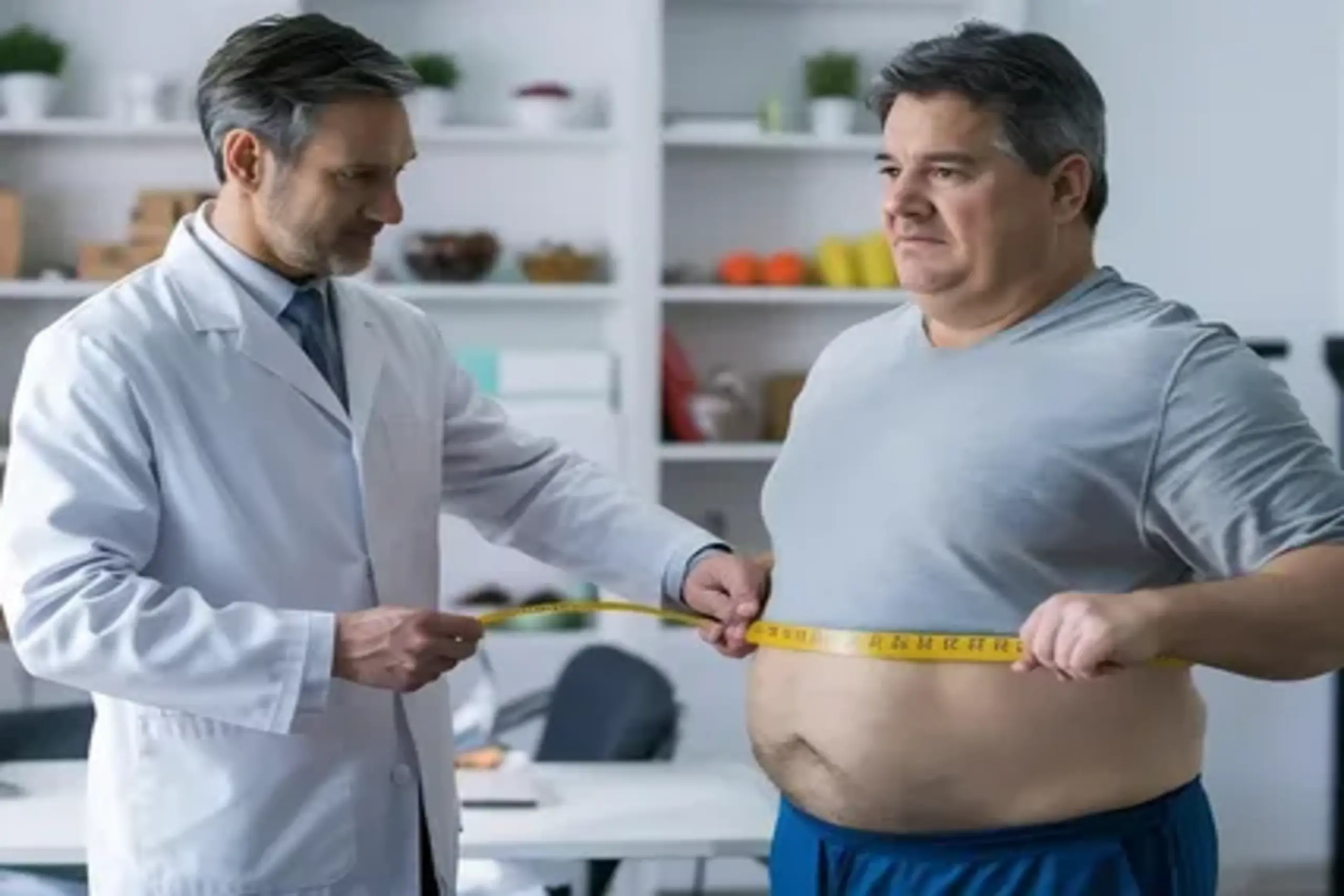
Non-Surgical Interventions to Treat Obesity
Non-surgical methods are applicable to individuals with mild to moderate obesity or those who are going to undergo bariatric surgery. These approaches mainly revolve around lifestyle change and metabolic enhancement with the aim of making patients healthier and regulating their food habits.
1. Nutritional and Dietary Management
The dietary care is drawn individually based on the metabolism, medical condition, and weight-loss objectives of the patient. The nutrition team develops balanced diets, which control the calorie intake, stabilize the energy levels, and promote high-protein diets to promote fullness and muscle power.
These diet plans assist patients in developing long-term eating habits and not restrictive and short-term diets. Although it works in initial obesity, nutrition therapy alone can only lead to a relatively small and slow weight loss in people with and high BMI or chronic obesity.
2. Activity and Exercise Advice
Exercise plays a very important role in non-surgical weight loss. Regular walking, low-impact exercises, stretching, and light strength training are important exercises that a patient should make part of his or her daily routine. These exercises enhance metabolism, increase endurance, and reduce fat. Though exercise has a commonly positive impact on overall health, it is not often coupled with a considerable weight loss in severely or extremely obese patients with underlying metabolic resistance.
3. Weight Loss Medication
Some patients can be treated with medical therapy as well as lifestyle modification. Prescription drugs aid in reducing appetite, balancing appetite hormones, increasing insulin sensitivity, and balancing digestion.
The therapies can usually provide initial improvements, yet the results of these changes are not guaranteed in the long term. There is no way that medications can cure advanced-level obesity or obesity-related diabetes, and that is why they are commonly used as a supportive means, but not the first line of treatment for the severe form of obesity.
4. Psychological and Supportive Therapy
Emotional triggers, stress patterns and daily routine have a profound effect on eating behaviors. Psychological support helps make the patients aware of these habits, cope with cravings, lessen stress-eating, and avoid relapse in their weight loss process. Counseling is crucial in enhancing discipline and consistency in the long run, regardless of whether the patient opts to follow a non-surgical approach or undergo bariatric surgery.
Efficacy of Non-Surgical Methods
Non-surgical procedures result in a weight loss of about 5 to 10 percent of total body weight for most people. Such a degree of reduction may help health indicators, but it is typically not enough to assist patients who require significant and sustainable weight reduction to safeguard their health in the long term. In such cases, surgical treatment is a safer and more dependable solution.
Get Personalized Surgical Treatment from Dr. Tahir Yunus at ALSA Pakistan
Expert Bariatric Care You Can Trust!
Surgery Interventions to Treat Obesity
Surgical interventions for obesity are designed to support long-term weight loss when diet, exercise, and lifestyle changes alone are not enough. These procedures work by altering the digestive system to limit food intake, reduce nutrient absorption, or influence hormones that regulate hunger and metabolism.
Beyond weight loss, bariatric and laparoscopic surgeries can significantly improve or resolve related health conditions such as type 2 diabetes, high blood pressure, sleep apnea, and joint pain. When combined with medical guidance, nutritional counseling, and lifestyle commitment, surgical treatment can offer a powerful pathway toward improved health, mobility, and overall quality of life.
ALSA Pakistan operates some of the most modern laparoscopic and bariatric surgeries under the supervision of a capable surgical team headed by Dr. Tahir Yunus, and is executed with the highest level of safety standards as required internationally. He is a reliable figure in the bariatric industry in Pakistan due to his vast experience, global qualifications, and accuracy in minimally invasive surgery.
The surgical intervention is required in case the obesity becomes acute, or in case any complications, including diabetes or sleep apnea, arise, or in case all the non-surgical interventions do not give significant outcomes.
Types of Surgical Procedures to Treat Obesity
1. Sleeve Gastrectomy
The most common surgical procedure to treat obesity is the sleeve gastrectomy. During this operation, the stomach is reshaped to make it smaller in size and decrease the amount of hunger hormones like ghrelin.
Owing to this fact, patients are satisfied earlier and eat less in their natural state. The majority of people feel much healthier in terms of metabolism and lose 60 to 70 percent of their excessive weight in the first year. Diabetes, blood pressure, sleep apnea, and an overall increase in energy levels are usual after this type of surgery.
2. Mini Gastric Bypass
Mini gastric bypass is a safe and successful weight-loss surgery that uses both restriction and modest malabsorption. This surgery generates a tiny stomach pouch and connects it straight to the small intestine. This lets food skip a part of the digestive track.
Not only does this restrict the quantity of food you can eat, but it also lowers the number of calories you absorb and changes the gut chemicals that influence appetite and blood sugar levels. Patients also see big improvements or complete resolution of diseases, including type 2 diabetes, high blood pressure, acid reflux, and weariness. This leads to greater metabolic health and general vigor.
3. Roux Y Gastric Bypass
Roux-en-Y gastric bypass is a well-recognized and very efficacious surgical procedure for the management of obesity. This surgery leads to eating less, absorbing fewer calories, and changes in hormones that help manage appetite and blood sugar. Patients are happy with reduced servings and see quick improvements in their metabolism.
Most people lose between 70 and 80 percent of their extra body weight in the first year. This operation works very well to improve or get rid of diseases associated with obesity, such as diabetes, high blood pressure, sleep apnea, and joint discomfort. It also greatly increases energy levels and quality of life.
4. Single Anastomosis Duodeno-Ileal Bypass (SADI)
SADI is a modern metabolic process provided to patients with greater transformative weight loss or intense metabolic repair. This operation restricts food consumption and decreases the absorption of calories and results in effective changes in cases of obesity.
It is particularly helpful when the BMI of a person is extremely high, or one has uncontrolled type 2 diabetes, because it improves the reaction to insulin and provides the stability of the metabolism in the long run.
5. Metabolic Surgery
The metabolic surgery can be life-changing for obese patients with type 2 diabetes. The surgical procedures performed by a bariatric surgeon assist in maintaining metabolic balance by enhancing insulin sensitivity and reducing the level of sugar.
The patients often decrease or even get rid of the insulin and other medications they were dependent on after surgery. These gains are consistent with international clinical studies and are common in patient outcomes at ALSA Pakistan.
Surgical vs. Non-Surgical: A Simple Comparison
| Aspect | Non-Surgical Treatment | Surgical Treatment |
|---|---|---|
| Expected Weight Loss | 5–10% of total weight | 50–70% of excess weight |
| Speed of Results | Slow | Faster, long-lasting |
| Hormonal Impact | Minimal | Strong reduction in hunger hormones |
| Diabetes Improvement | Moderate | Often near-remission |
| Suitability | Mild–moderate obesity | Moderate–severe obesity |
| Longevity | Requires strict consistency | Supported by surgery + follow-up care |
Which Approach Should a Patient Choose for Weight Loss?
Choosing between surgical vs non-surgical treatment for successful weight loss depends on:
- BMI
- Age
- Medical conditions
- Previous weight loss attempts
- Dietary habits
- Motivation level
People who are slightly to moderately overweight are commonly advised to try non-surgical weight-loss approaches, which include changing their diet choices, starting an exercise program, following a weight-loss plan, or getting lifestyle counseling. These methods are less invasive and aim at slow, long-term weight loss. However, those who are very overweight or have health problems associated with being overweight may not get the best outcomes.
People with a higher BMI or who haven't been able to keep the weight off using non-surgical means are usually told to have surgery to lose weight. Bariatric procedures help people lose a lot of weight for a long time by limiting the amount of food they may eat, changing how their bodies digest food, and controlling hunger hormones. Surgery can help or fix problems, including diabetes, high blood pressure, sleep apnea, and joint discomfort, in addition to helping people lose weight.
A comprehensive medical assessment and consultation with a skilled professional can suggest if surgical or non-surgical weight-loss interventions represent the safest and most successful approach to attaining improved health and enduring outcomes.
Final Words
once obesity develops resistance to these forms of treatment, surgery is a proven and scientifically proven way out. Having the expertise of Dr. Tahir Yunus in laparoscopic and bariatric surgery, ALSA Pakistan offers modern, safe, and recognized international treatment solutions, helping patients to restore health, mobility, and confidence.
He personally examines every patient at ALSA Pakistan, analyzes their medical history, and assists patients in making a safe and most appropriate decision.
Patients are given a full, personalized plan no matter the desired result: long-term weight loss, diabetes management, or better quality of life.
