
Blogs
Effective Tips to Lose Weight After Having a Baby
Having a baby changes everything most beautifully. But it can also change your body, energy, and routine, making weight loss feel harder than expected. However, for many first-time moms, stripping away the fat built up during the pregnancy can be like a mountainous task.
Undoubtedly, with all the sleepless nights that one has to spend with the baby, as well as non-stop diaper changes, taking care of oneself is virtually impossible. Yet, the bright side is that with a thoughtful approach as well as the proper tips on hand, slimming down post-delivery is not only possible, but it can also transform the level of energy as well as overall mood. Weight loss surgery remains an option only for select cases after thorough medical consultation.
All the improvements can cross the bounds if you seek professional guidance for shedding pounds. Compassionate surgeons like Dr Tahir Yunus at ALSA Pakistan can direct your efforts in the right way. His extensive knowledge and clinical experience can make all the difference.
In this article, we shall offer tips to lose weight and overcome the struggles associated with baby fat while at the same time taking care of the baby.
Understanding The Postpartum Weight Changes
After childbirth, it is perfectly natural for a woman’s body to experience extreme physical and hormonal changes. In pregnancy, the body has a natural increase in fat to provide nutrients to the baby, prepare the breasts for lactation, and protect the organs. After delivery, hormonal changes, fluid retention, and metabolism can cause the feeling that the weight isn’t being lost as quickly as it would like.
Moreover, there may be complicating factors at play, like the lack of sleep that new mothers experience. Thus, the key to achieving positive changes through healthier approaches to weight loss is to identify the natural changes that occur.
Visit ALSA Pakistan For Advanced Procedures
Ways To Shed Pounds: A Guide For Mothers
Every woman wants to keep her attractiveness for a longer period. Yet, it could happen after having a baby. Females can maintain their body shape and even can try to improve their natural contours. A healthier weight gain after pregnancy is the primary requirement in this regard. If you are a new mom and reading this article, then some effective tips to lose post-pregnancy weight are here.
Give Your Body Time To Heal
The first and most crucial step for weight loss after pregnancy is to let your body take time to recover. Well, the fact is that during pregnancy, apart from building fat in the body, there are various other things that cause the weight to increase. These may include the weight of the baby, placenta, fluid, increased blood supply, and fluid retention.
Most medical professionals demonstrate that the time to begin any weight loss options or exercise programs would be during the six-week follow-up visit post-pregnancy. It would specifically be the case if a woman has had a cesarean section. It should be noted that losing weight during the post-pregnancy stage should not be a quick fix.
Hydration Triggers Your Weight Loss
The list of tips to lose weight is incomplete without hydration. It is the aspect that plays an important part in weight loss post-pregnancy. When a woman gives birth, her body is healing, hormonal imbalances are being rectified, and her body requires a lot of fuel, especially if she is a nursing mother. Hydration helps to facilitate metabolism and digestive functions.
Moreover, it facilitates a smooth flow of utilizing stored fats effectively to get rid of toxins that have been accumulating inside her body during pregnancy. In addition, it regulates her appetite to cut off frequent snacking. For a nursing mother, staying hydrated is a double-edge tool to facilitate her milk production while ensuring her body is also healthy. Hydration will cut on sugar intake, and it will help to ensure a new mother gets better skin, boosts her mood, and helps her to recover fast post-childbirth.
Breastfeeding Is A Support
Some women take nursing their baby as a factor in deteriorating their figure. Yet, it can be beneficial in many ways. Several scientific reasons prove that Lactation can help with weight loss after pregnancy.
As soon as the woman starts to breastfeed, the calorie burn in the body surges by 300-500 more per day. It happens because the body starts to produce milk, and thus, there is an enhanced burn rate for the extra calories accumulated during pregnancy.
Breastfeeding the baby is also an effective process for the release of various hormones, such as oxytocin, which causes contractions of the uterus to get back to normal. It is particularly effective because it reduces the extra fat accumulated around the abdominal region, thereby flattening the bulge.
Furthermore, breastfeeding the baby can be an effective means to balance the metabolism process in the body and manage the accumulated fat from the reserve areas, particularly around the hip and thigh regions, in an appropriate manner. So, breastfeeding moms rapidly lose weight after pregnancy compared to others.
Balanced Nutrition Is Magical
Being wise about what you eat after childbirth can entirely change everything. The primary reason is that the mother's body goes through many phases during the whole process. These stages bring noticeable changes in the way the body works and responds.
The impact of a balanced diet is beyond the scale. It facilitates tissue repair and boosts a woman's strength. Moreover, it also prevents overeating and excessive consumption of water. For mothers who undergo breastfeeding, having a balanced diet is the only way to provide the newborn with essential nutrients. The basic components of the postpartum diet are;
- Lean proteins such as eggs, fish, chicken, beans, and tofu. Support muscle repair and keep you full.
- Whole grains like oats, brown rice, and whole wheat bread. Maintain your energy.
- Healthy fats from avocados, nuts, seeds, and olive oil. Keep hormones in equilibrium.
- Fruits and vegetables are rich in vitamins, minerals, and fiber. Aids digestion and immunity.
Role of Physical Activity
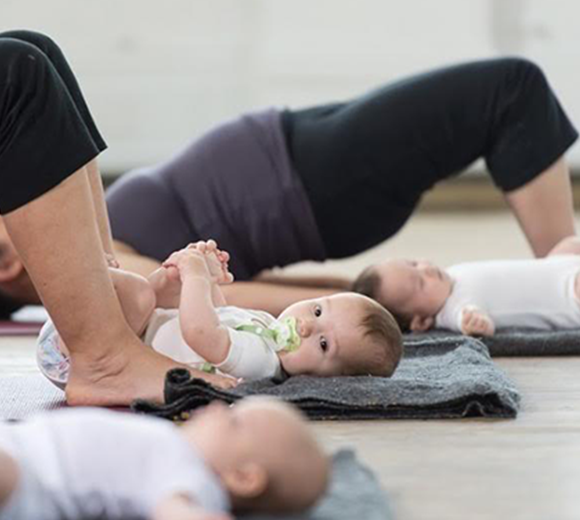
After giving your body considerable time to heal (two to three weeks minimum), involving in physical activities is one of the best tips to lose weight. However, it is necessary to take guidance from your doctor. Being active will contribute to losing weight, feeling better, and strengthening weak muscles. In start, some relaxing exercises that can aid in healing are perfect. For instance;
- Walking, which can be low-impact and easily incorporated into a daily schedule.
- Pelvic floor exercises.
- Pregnancy yoga or stretching for flexibility and stress relief.
In continuation, a gradual increase in exercise remains good with time as your muscles become stronger. Just remember to listen to your body and stop exercising if you feel any sort of pain or fatigue.
Focus on Stress Management
Stress management is an underrated but potent strategy to aid in weight loss following pregnancy. When an individual is subjected to considerable stress, it results in higher levels of cortisol in the body. It is a particular problem because cortisol is known to increase the body’s fat-storage mechanism, particularly around the midsection of the body and induce a desire to eat higher-calorie comfort foods.
Managing stress helps the body work better. Deep breathing can calm your nervous system. Basic exercises and proper rest support relaxation. Emotional support is also important, and counseling or therapy can help. When your stress levels improve, your body becomes more responsive to healthy fat-burning. In this way, you can overcome the dip in calorie levels and minimize the desire to indulge in comfort foods.
Surgical Options for Persistent Postpartum Obesity
Weight loss surgery like gastric sleeve or gastric bypass can be a safe, effective option for postpartum women with persistent obesity when diet and exercise alone fail. It is typically recommended for BMI >35 (or 30–34.9 with conditions like diabetes). Wait at least 12–18 months after delivery (minimum 6–12 months post-recovery) to allow hormonal balance, healing, and weight stabilization. Benefits include significant long-term weight loss, reduced risks of diabetes, hypertension, and future pregnancy issues, plus improved energy for motherhood. Always consult a bariatric specialist for personalized assessment and guidance.
Final Thoughts
Lastly, postpartum weight loss is a common goal for many women—but it should always be approached with expert guidance and with patience and care. The healthiest results come from slow, steady progress, not extreme dieting or over-exercising. By following proven tips like balanced nutrition, proper hydration, light physical activity, and stress management, new moms can lose weight safely and effectively.
Getting professional guidance can make this journey even easier. It provides clarity, support, and a plan that matches your body’s needs, helping you achieve results without harming your health. Every mother’s body heals and changes differently after pregnancy, but with consistency, self-care, and determination, losing baby weight becomes not only possible, but deeply empowering. It strengthens your body, restores your confidence, and helps you feel like yourself again—inside and out.
New moms looking for professional advice will find Dr. Tahir Yunus at ALSA Pakistan to be the best choice for advice and a successful plan to help them lose weight. His competency, dedication and patient care strategies can make all the difference to your journey.
