
Blogs
Where is Hiatal Hernia Pain Located on a Woman
Have you ever confused chest pain as a severe issue, like a heart attack? If yes, then another medical condition needs your attention is a hiatal hernia. The pain may appear in your upper abdomen, in the middle of your chest, or just behind your breastbone. In women, it can refer to your back, shoulders, or even your throat. If you are experiencing this, don’t worry you are definitely not alone. In fact, according to studies, 50-70% of people over the age of 50 have some degree of hiatal hernia. In addition, it is more common in women.
Most importantly, it is easily treatable with no complex procedures or long bed rest in recoveries. Moreover, with the right combination of lifestyle changes, medication, and medical knowledge, your symptoms can be kept in check. It will allow you to feel comfortable and confident once again.
A compassionate expert like Dr Tahir Yunus at ALSA Pakistan can provide you with the right guidance about treatment options, recovery and how to retain the results for a long time.
What is a Hiatal Hernia?
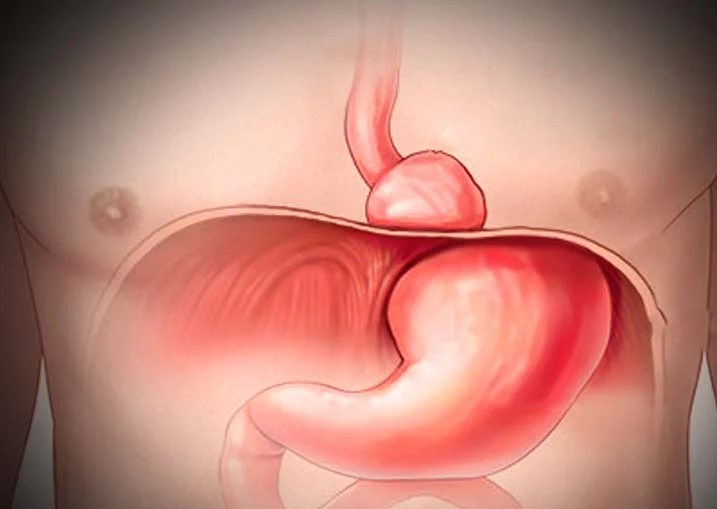
Understanding a hiatal hernia becomes easy if you completely know the function of the diaphragm. The diaphragm is a muscular organ in the chest. It separates your abdomen and chest. Its function is to facilitate breathing and to place the stomach appropriately. It also contains a hole called a hiatus. Our food pipe, or esophagus, passes through this hole before reaching the stomach. Sometimes, this hole or hiatus becomes weak or stretched. Your stomach can then push up through this hole into your chest. This can increase pressure, causes reflux, and thus hurts. This is called a hiatal hernia. These are some of the most frequent types of abdominal hernias in women. If the hernia is small, it won’t cause any issues. However, a large protrusion may cause pain and discomfort as stomach acid rises, and the food pipe becomes irritated. Moreover, pressure also builds up in the chest. The nerves in the nearby area may become irritated, causing pain in women.
What is a Hiatal Hernia?
There are four main types of hiatal hernia, explained briefly here:
Type I (Sliding hiatal hernia):
The most frequent type is the sliding hiatal hernia or type 1. It comprises 95% of all hiatal hernias. This occurs when the upper portion of the stomach and the point where the stomach and esophagus meet slide up into the chest, it appears. This type of hiatal hernia can cause heartburn, acid reflux, or discomfort. It's also possible that some people may not experience any symptoms.
Type II (Paraesophageal hiatal hernias):
Paraoesophageal hiatal hernia or Type II is less frequent but more dangerous. In this case, the stomach moves alongside the esophagus into the chest, while the esophagus-stomach junction remains in its place. This condition may cause pain, distention, or difficulty swallowing in the chest. Moreover, in some instances, strangulation of the stomach occurs, which is a medical emergency.
Type III (Mixed Hiatal Hernia):
In a mixed or combined hiatal hernia (Type III), there is a combination of both sliding and paraesophageal hernias. In this situation, the stomach and the esophagus-stomach junction migrate into the chest. The patient may experience symptoms of both or may be asymptomatic.
Type IV (Large Hiatal Hernia):
It is the rarest and most complicated type of hiatal hernia. It happens when the hiatus becomes wider (more than usual). Other organs, such as the colon, spleen, or small intestine, move into the chest cavity. This type usually requires surgery due to the risk of serious complications.
Where is Hiatal Hernia Pain Located in a Woman?
The areas where women with a hiatal hernia experience pain are usually several. The most frequent areas are
- The upper part of the abdomen
- Just below the breastbone
- The middle part of the chest.
However, the pain may also radiate to the back, shoulders, or even the throat. Women experience these symptoms more severely than men, possibly because of the differences in hormones and body structure. The pain may worsen after eating large meals, spicy or acidic foods, or when lying down. These factors may raise the pressure in the chest and cause acid reflux. Some women also experience a sensation of fullness, bloating, or tightness in the chest.
How can you tell if this pain is serious? OR When to See a Doctor
A mild hiatal hernia is often asymptomatic and not concerning. But there are some signs you should not ignore that require medical attention. These include
- Persistent and strong non-cardiac chest pain
- Unexplained weight loss
- Difficulty in swallowing food
- Blood in vomit
- Dark or black stools
- Symptoms appearing for more than 2 weeks
Increasing your health expectancy is simple: Visit ALSA Pakistan for advanced hernia repair.
Hernia repair could be safe, convenient and lasting: Meet Dr Tahir Yunus
Why Do Women Get Hiatal Hernia More Often?
Many women seem interested in knowing why they are more susceptible. There is a lot that contributes to and makes women susceptible to the condition. Pregnancy is one of the leading causes. Expectant mothers bear the pressure on the abdomen, as well as the stretching of the diaphragm. In the early days of pregnancy, frequent vomiting also interferes with the function of the esophagus. Moreover Women above the age of 50 are more prone to this health issue because of the weakening of tissues with age. Putting on excessive weight exerts additional pressure on the stomach and diaphragm, thereby increasing the chances of a hernia.
Other daily functions may also be a factor. Some of which are more impactful are straining during bowel movements, excessive lifting, coughing, or vomiting. All can pressurize the diaphragm. Over time, these constant pressures can weaken the diaphragm, increase the opening, and allow the stomach to pass through, creating a hiatal hernia. An understanding of the causes of hiatal hernia can help to take simple precautions to protect oneself.
Symptoms & Cause of Hiatal Hernia
A hiatal hernia can cause a variety of uncomfortable symptoms, though some people may not notice any at all. Common symptoms are
- Heartburn,
- Acid reflux,
- Chest or upper abdominal pain,
- Bloating,
- Difficulty swallowing
- A feeling of fullness after meals.
- Some women may also experience back or shoulder discomfort or occasional regurgitation of food or liquid.
The causes are usually linked to increased pressure on the diaphragm. This can happen due to
- Pregnancy
- Being over 50
- Extra weight
- Frequent straining during bowel movements,
- Lifting heavy objects
- Chronic coughing, or repeated vomiting.
All of these factors can weaken the diaphragm, enlarge the opening, and allow part of the stomach to push into the chest, resulting in a hiatal hernia.
Diagnosis for Hiatal Hernia
A hiatal hernia is diagnosed through simple tests. Diagnosis will clear your confusion and allow the doctor to recommend proper treatment. Common tests include:
Barium swallow X-ray: It is a simple X-ray test that shows how food and water travel through your esophagus (food pipe). In this procedure, patients are given a Chalky, barium-based liquid to drink. It helps the specialist to visualize how food is traveling through your food pipe and detect any issues. It is a painless, non-surgical diagnostic test. The procedure takes only about 10 to 20 minutes.
Endoscopy: It is an advanced procedure in which a small camera is passed through the mouth into the stomach. It helps to visualise any issues in your food pipe or stomach and also detects a hiatal hernia. Endoscopy is a safe procedure, and it is commonly used to detect gastrointestinal issues.
pH test: This test checks the pH of your food pipe. It confirms whether stomach acid is flowing upward and causing heartburn and Acid Reflux. It is an accurate Diagnostic test that helps the doctor guide proper treatment to the patient.
Treatment Options For Hiatal Hernia
In most of the cases, a hiatal hernia in women is treated non-surgically. If a Hiatal hernia in women is small and the symptoms are mild, then they can make use of home remedies. Otherwise, medications work well. After all attempts flop, then hernia surgeons recommend surgery as an ultimate solution. Here is a detail of all possible options
Home fixes: Women who adopt simple lifestyle changes can manage the condition easily. It includes eating smaller meals, avoiding spicy and oily foods, and sleeping on the left side. Moreover, raising the head of the bed or using double pillows while sleeping prevents the upward movement of stomach acid. The trick is that you don't lie straight. This helps to minimize acid reflux and heartburn in women. If you are overweight, follow a healthy diet and exercise to lose weight.
Medication: In case the hiatal hernia symptoms in women are not relieved by home remedies, they can consult a specialist. Usually, the specialist will prescribe you simple medications such as antacids for quick relief. He can also prescribe acid-reducing medicines to women suffering from a hiatal hernia for long-term relief.
Surgery: If the symptoms are severe and the hiatal hernia is large, then surgery might be required to treat it. Due to advances in technology, minimally invasive laparoscopic procedure have revolutionized the procedures. This method is 90% effective and only involves a small incision to treat your hiatal hernia. The recovery is faster and easier, so nothing goes wrong or is terrible.
Conclusion
Hiatal hernia is a health condition that can interrupt your eating, comfort and daily routines. Yet, its management is not as complex as people think. Women can easily find long-term relief through lifestyle changes. If alteration seems unsuccessful, then approaching a trustworthy and accomplished expert is the best strategy. Dr Tahir Yunus at ALSA Pakistan is publicized for his exceptional knowledge, international exposure and medical insights. He believes in providing the care that lets his patients feel confident and increase their life expectancy. Thus, if you want to deal with your hiatal hernia pain smartly, ALSA Pakistan is the place you need to go.
