
Blogs
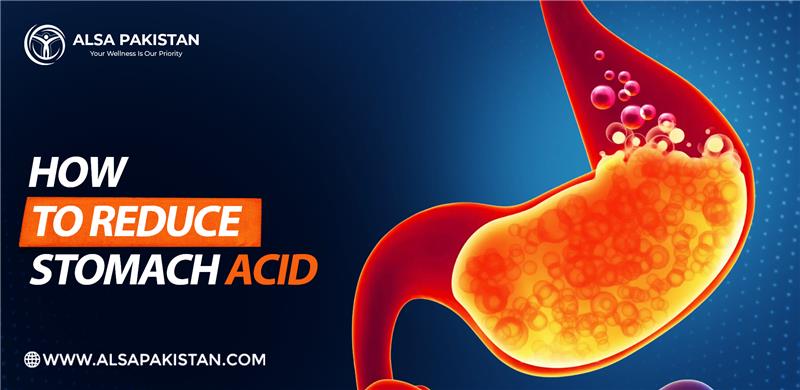
How to reduce stomach acid? A comprehensive guide
Does this happen, that you feel happy seeing your favorite meal on the table, and fear of heartburn ruins the expected enjoyment? If yes, you are one of the thousands who feel the same. The situation becomes even worse when it starts disrupting your sleep, eating habits, and daily life. Acid reflux caused by stomach acid can make everyday life uncomfortable.
Although stomach acid is important for digestion and nutrient absorption, too much acid or acid reflux could cause ongoing pain. However, the best part is that controlling it is not very difficult. However, if symptoms are ignored for a long time, the condition may become more serious and may require acid reflux surgery.
In this blog, we will highlight the role of accomplished professionals like Dr. Tahir Yunus in the field of digestive health.
He always takes the responsibility of guiding his patients about the possible causes of the condition and ways to reduce stomach acid. With the help of this writing, you can conveniently sort out the causes of acid reflux and proactive steps towards better digestive function and relief from unwanted symptoms.
Knowing about stomach acid
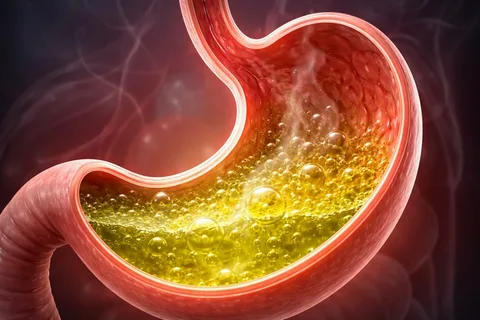
It could be surprising for an ordinary man what could be a need for a harmful substance like acid in the stomach. Rather, it is not a useless substance. It comprises hydrochloric acid and mainly helps in digestion. Its primary responsibilities are:
- Digesting proteins into smaller parts.
- Aids in the absorption of iron, calcium, and vitamin B12.
- Kills dangerous microorganisms that come in through food.
- Activates the enzymes necessary for digestion.
While the acid is vital for digestion, an excess amount may cause health problems.
Prominent symptoms of excessive stomach acid
You can predict excess acid in the stomach through numerous different symptoms.
These could be
- Heartburn or burning feeling in the chest
- Gastroesophageal reflux disease
- Bitter or sour-tasting mouth
- Frequent belching
- Feeling of nausea
- Sore throat or persistent cough
- Difficulty swallowing
- Indigestion
Causes
Dietary Choices
Certain drinks and foods that can boost acid production or make it more concentrated. Some with the most worse impact are :
- Spicy food items
- Deep-fried foods and fats
- Citrus fruits
- Tomatoes and tomato products
- Chocolate
- Caffeine drinks
- Soft drinks
- Alcohol
Excessive Intake of Foods
Eating large meals increases pressure in the stomach, which can lead to acid reflux.
Obesity
Excess body weight increases pressure inside the stomach, thus causing reflux of acid upwards.
Smoking
Smoking weakens the lower esophageal sphincter. It is the part that prevents the movement of stomach acid upward. Damaging it simply increases the chances of stomach acid issues.
Stress
Although stress does not cause acid production in every case, it makes its effects worse.
Some Types of Medications
Certain medicines increase the effect of acid production and make symptoms worse.
Dietary strategies to reduce stomach acid
One of the most effective ways to manage stomach acid is through dietary adjustments. Some useful alterations are given below.
Keep your portion small
The lower esophageal sphincter serves as the guard against the upward passage of acid in the stomach. An overstuffed stomach may excessively put pressure on and stretch the LES as well. In consequence, stomach acid easily finds a way to move towards the chest organs. The best strategy is to have smaller plates. However, you can increase the frequency as per your needs.
Choose Low-Acid Foods
The following foods are less likely to stimulate excessive acid production.
- Oatmeal
- Brown rice
- Bananas
- Melons
- Sweet potatoes
- Green vegetables
- Lean proteins such as chicken, turkey, and fish
- Whole grains
Increase Fiber Intake
Fiber promotes digestion and may help reduce symptoms of acid reflux. Good sources include:
- Fruits
- Vegetables
- Legumes
- Whole grains
- Nuts and seeds
Avoid Trigger Foods
The uniqueness of every human body demonstrates the individual requirements. Hence, it is crucial to identify personal triggers. Keeping a diary to write about such triggering foods can help with it. Common problematic items are spicy foods, caffeine, alcohol, and highly processed foods.
Stay Hydrated
Water plays a pivotal role in aiding digestion and helping dilute the contents of your stomach. Hence, you can drink sufficient water to help yourself out. But don’t take more than necessary during meals as that will lead to bloating.
Get a comprehensive diagnosis, in-person guidance and best treatments: visit ALSA Pakistan
Entrust your care to Dr Tahir Yunus for advanced acid reflux treatment and lasting relief
Helpful lifestyle practices to Reduce Stomach Acid
To boost the impact of Dietary changes, adopting healthy lifestyle practices alongside can yield notable results.
Keep Your Bodyweight in Check
Even slight weight loss has been found to be highly effective against acid reflux symptoms. The reduction will decrease pressure on your abdomen and aid in better digestion.
Do Not Lie Down Immediately After Meals
You should not lie down for a minimum of two to three hours post-meal. Gravity will assist you in keeping stomach contents inside your body.
Raise Your Head During Sleep
If you experience acid reflux at night, it is advised to raise your head up to six to eight inches off the ground.
Stop Smoking
The practice weakens protective measures against acid reflux. Hence, it would be wise to give up smoking to improve your digestion.
Consume Less or no Alcohol
Alcohol irritates the stomach wall and can relax the lower esophageal sphincter.
Reduce Stress Levels
Stress is known to increase symptom intensity; however, you can learn how to handle it through:
- Meditation
- Deep breathing
- Yoga practice
- Physical exercise
- Proper rest
Medications
Where lifestyle remedies and natural methods do not work, medicinal remedies may help to reduce stomach acid.
Antacids
These offer quick symptomatic relief through neutralization of stomach acid. However, their short-term usage is safe only.
H2 Blockers
H2 blockers help minimize the production of stomach acid. However, it is not advisable to purchase them on your own. You must avail them through a professional's prescription.
Proton Pump Inhibitors (PPIs)
These are regarded as the most effective drugs for the treatment of excess stomach acid. Common examples include omeprazole and pantoprazole.
Due to the potential risks of prolonged usage, proton pump inhibitors should always be taken on prescription.
Prescription Medicines
For severe cases, health practitioners may advise on taking prescription medicines or conducting other tests.
When is acid reflux surgery necessary?
Most patients find it very easy to manage acid reflux by modifying their lifestyles and diets, or taking drugs. But then again, there are cases where surgery is the ultimate solution. This occurs in situations where the condition is too serious for the patient, or the alternative treatments fail. People who want to stop taking medications on a permanent basis can also undergo surgery.
Different surgery types for this medical condition are:
Fundoplication
This is one of the most common surgical procedures used to treat acid reflux disease. The goal of this procedure is to tighten the lower esophageal sphincter or LES”, which keeps the stomach contents from spilling out.
LINX
The other type of surgery for acid reflux is the LINX surgery. In this procedure, a small magnetic ring will be put around the lower esophagus to prevent stomach acid from flowing into the esophagus.
Candidacy
Surgery is usually recommended to those who continue experiencing symptoms even after receiving conventional treatments for GERD. In order to be sure that the condition requires surgical treatment, there are a number of procedures, including
- endoscopy
- esophageal pH testing
- manometry
All can help measure the level of the problem.
Conclusion
Concluding, lacking to enjoy the meals could damage your physical as well as mental health. The stomach acid issues could be a great reason for it. An impactful plan to reduce stomach acid involves healthy life choices and proper medical treatment if necessary. Some basic modifications are eliminating foods that cause acid build-up, eating smaller meals, maintaining a normal weight, and not reclining right after having a meal.
Other helpful practices include managing stress levels, avoiding caffeine, alcohol, spices and fats. Where needed, one may use some medication, but with the consent of an expert. If lifestyle changes and medications do not provide relief, acid reflux surgery may be considered as a long-term treatment option.
A reliable and compassionate digestive health expert like Dr Tahir Yunus at ALSA Pakistan is the right person to approach if you find difficulty in dealing with your condition. He specializes in advanced treatment options and personalized patient care. Thus, all you have to do is to be consistent on mentioned practices and be in expert hands to have a healthier life ahead.
