
Blogs
Food to Avoid After Anti-Reflux Surgery
Gastric reflux is a condition where the food and acidic content of the stomach flow back up to the esophagus. And you feel a heart-burning sensation. When it becomes severe, it is called Gastroesophageal reflux disease( GERD) or (GORD).
Anti reflux surgery is a medical procedure to treat this condition when it is related to GERD. This acid reflux surgery sometimes does or doesn't involve the hiatal hernia treatment.
It is also known as fundoplication (wrap) surgery or hiatal hernia repair surgery.
When the valve between the stomach and oesophagus doesn't work properly, then GERD occurs. This surgery is performed to prevent further reflux. When this reflux happens, the acid content in the stomach and food inside move and undergo a backup flow from the stomach to the oesophagus, causing regurgitation or a burning sensation.
Types of Fundoplication
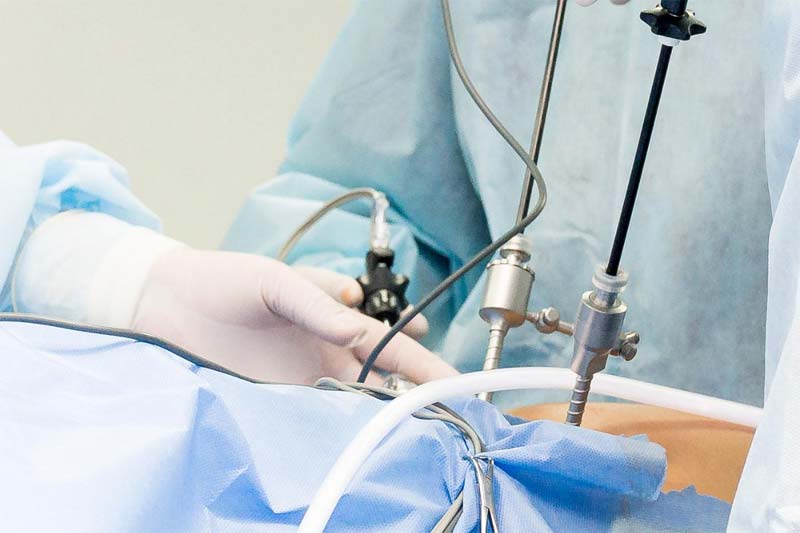
There are two types of fundoplication procedures: one is with minimal incisions without large cuts, surgery as keyhole surgery, and the other is open surgery with major cuts and incisions.
Fundoplication has three further types, depending upon incision angle and associated desired goals.
- Nissen or Full Fundoplication (360⁰)( a full wrap of stomach around oesophagus)
- Toupet or Posterior Partial Fundoplication (270⁰)(stomach wraps around the back of the oesophagus)
- Anterior or dorsal Partial Fundoplication(180⁰)(stomach wraps around the front of the oesophagus)
After the surgery, bruising and swelling are common. This procedure will limit access to food and drinking varieties as the junction valve is in a state of healing. The problematic swallowing is also known as dysphagia.
After the anti-reflux surgery, your stomach has a smaller size, and the esophagus has a smaller opening, and the valve itself is tighter. So food selection is very important to pass easily through these narrow conditions. At ALSA Pakistan, we believe recovery should not feel like a hardship. We know that every patient is different, and we respect that our advice comes from real experience and with the genuine desire to see you heal soon. Trust us to be your partner in this journey. We remain committed to supporting you long after you leave the hospital.
What to Expect After Surgery
Most patients feel pain in the tummy, left arm, gas bloating, and can not burp and vomiting. It is normal to get these sensations after surgery, and they can be minimized by prescribed medications and a healthy diet. But in severe symptom conditions, you need to see your doctor.
- Bloating gas is actually the trapped gas in the abdomen, and you can't even burp or vomit, so it's painful.
- It also causes the referred pain. Referred pain is the one that is felt in the left arm, not actually due to any problem in the arm. It occurs due to the trapped gas in the tummy.
- Swallowing doesn't involve only food but also some part of air that comes with the food. So you engulf both food and air.
Measures to Minimize Symptoms
All these symptoms can be minimized if you follow the discussed diet and instructions.
- Take your time, both drinking and eating slowly.
- For every food you take. Chew it for 1-2 minutes and hold for 2-5 seconds, or we can say 20 to 30 chews for convenience to avoid this air trapping issue.
- Avoid too hot or too cold food; instead, use lukewarm food or water.
- Don't use liquid drinks or water 30 minutes before and after every meal. Like food, water also occupies space in the stomach. So don't put stress on your stomach.
- Stay hydrated and drink water in many shifts and in multiple sips.
- If you experience problems in eating and drinking, fever, vomiting and consistent pain, immediately go for a check-up.
Heal Better After Anti-Reflux Surgery with Dr Tahir Yunus at ALSA Pakistan
Recommended Diet Progression After Anti-Reflux Surgery
It is very crucial to take after-surgery recovery measures to get rapid and effective healing. Some foods can cause real problems after this fundoplication surgery. The food might get stuck, create a lot of gas, and add pressure in smaller openings and tight valves. In this way, you suffer more painful experiences. Right after the operation, the following types of food should be included. It's a temporary diet guide that is suitable for your stomach health after the surgery. After your healing is completed, you can start the normal food routine.
- 1-2 weeks(very liquidy diet and slowly progress towards pureed food)
- 2-3 weeks(from pureed food gradually moves towards the soft food
- 3-6 weeks(soft food to normal healthy food
- 6 weeks onwards ( normal healthy diet and routine healthy eating food)
There is also a recommendation regarding food selection after acid reflux surgery I. It will boost your healing journey soon.
Liquid type Food
Most of the time in the initial stages after surgery, you need to consume liquidized food. You can liquidize your food by adding water, milk, plain curry, sauce or margarine. Also you need a few tools to make your food in liquid form. For this purpose, you need to have a metal sieve to strain the food and remove any husk, peel and hard-to-digest lumps or material from food. A food processor, meat mincer, or an electric or handheld blender will be helpful in this regard, also.
- It includes fruit juices(non-citric)
- sieved porridge and fruits,
- mashed potato
- corned beef
- minced beef,
- fish with sauce and mash potato,
- milk, yogurt, custard, and with no lumps.
Pureed type Food
This purried type of meal plan is given 2-3 weeks after surgery. It involves foods like cereals, porridges, wheat biscuits with milk. More options include,
- Mashed potato puree lentil soup,
- Fish with parsley sauce
- Pureed rice pudding with seedless jam
- Creamy soup
- Lentil curry
- malted milk, hot chocolate, milkshakes
- Biscuits in warm milk,
- Scrambled eggs puree
Soft Diet
It is usually given in 3-6 weeks. This very soft diet includes food like,
- Cereals, porridges, baked potatoes,
- scrambled eggs, omelet, baked beans,
- potato waffles, mixed meat,
- mixed cooked soft vegetables,
- smooth fruit, creamy milk, smooth dessert.
Normal Daily Diet
Any food that is healthy and less spicy can be used in a normal diet after a month or two. Perhaps if you feel disturbances in any stage, reverse back to the previous stage and build constant eating habits and then move forward.
After Anti-Reflux surgery, life brings changes, but it also brings relief. At ALSA Pakistan, we walk through every stage of recovery with you. Our team offers practical advice and connects you with the resources that help you with well-being. Let us help you protect it.
Foods You Should Avoid Right After Anti-Reflux Surgery
Strictly avoid following a list of foods during the first 2 weeks right after the anti- reflux surgery.
- Carbonated drinks (especially alcohol, frizzy or cold drinks) cause trapped wind issues.
- Acidic diet (causes acidity heartburn and pain)
- Acidic fruits or juices like lemon, orange and pineapples( having acidic content, especially those with citrus or citric acid content that cause acidity, gas or wind trap)
- Doughy food( have processed breads, cakes, and pastries, parties, chunks that are difficult to digest)
- Spicy food like chips and those with heavy or hard coatings ( having lots of pepper that causes bloating gas)
Dried nuts or stringy hard food like beans, popcorn, nuts, green beans, bacon, raw salad or vegetables ( that's difficult to digest and causes bloating
Final Thoughts
The adjustment to these changes takes time. Some foods you enjoyed before may not be working for you now. Everyone heals at a different pace, and some people tolerate certain foods better than others. It's better to have a simple food diary in the first few months of recovery. So write down what you eat and how you feel afterwards. This will help you find your own limits. The recovery from anti-reflux surgery is a process of learning, and it takes patience. ALSA Pakistan is here with honest advice and study support whenever you need us. So pay attention to food textures, portion sizes and eating habits that help you stay comfortable and perform the work of your surgery. With the passage of time, these new habits become routine, and life becomes much easier without the constant burn of reflux.
