
Blogs
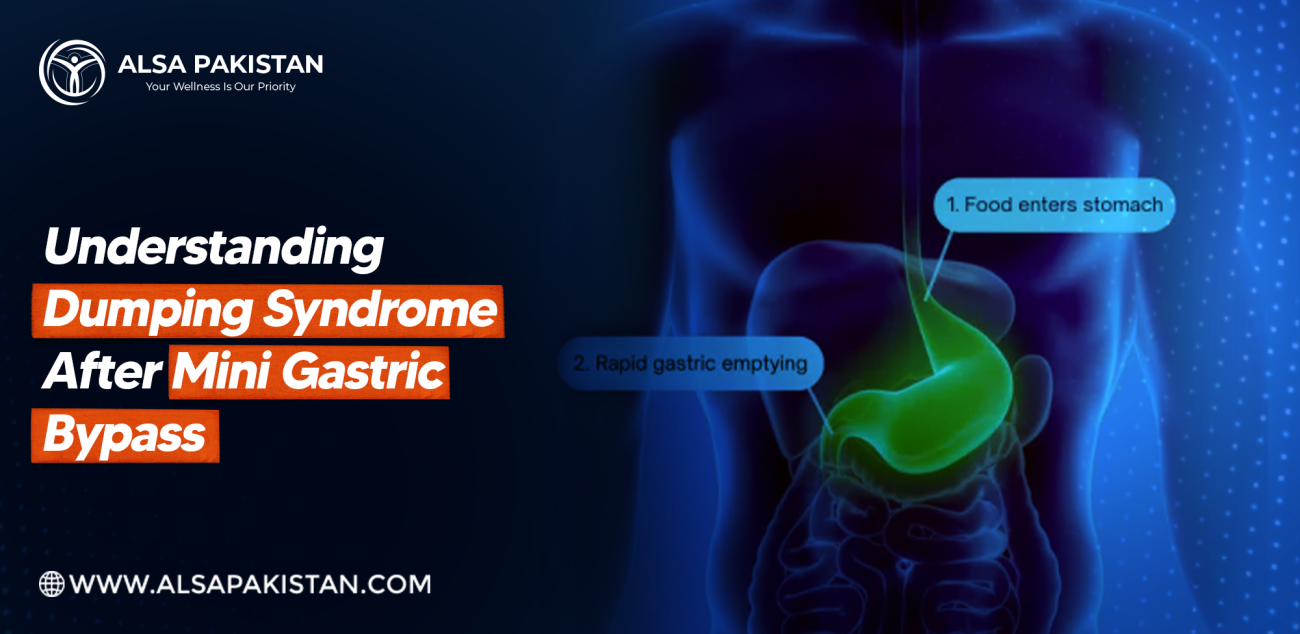
What is Dumping Syndrome After Mini Gastric Bypass Surgery?
Many patients who underwent mini gastric bypass surgery heard the term dumping syndrome at some point. It is often known as Mini gastric bypass (MGB). Some terminologies also call it (OAGB) one-anastomosis gastric bypass. A lot of people are not even sure what it means, or why it happens. And what should they do to deal with these symptoms?
What Is Dumping Syndrome?
As dumping syndrome occurs after mini gastric bypass surgeries, let's understand first how the stomach works.
In a healthy digestive system, food enters the stomach and is broken down gradually.
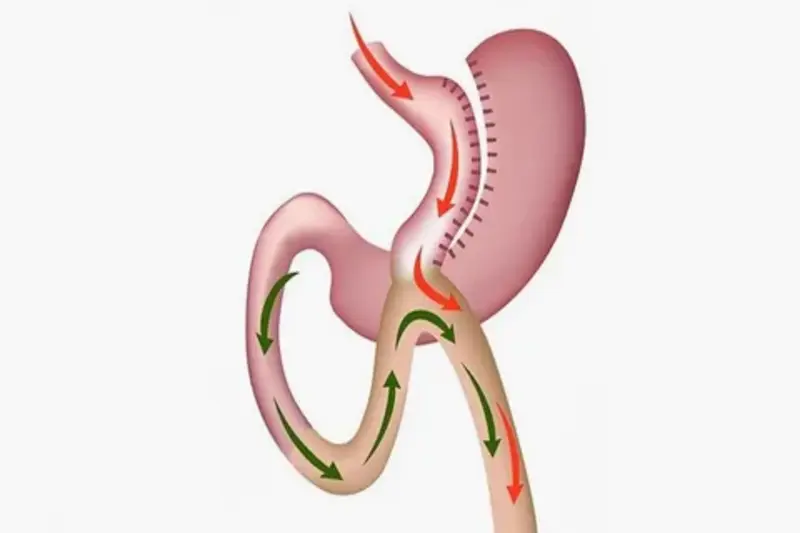
There is a smaller muscular opening at the bottom of the stomach called the pyloric valve. This valve controls the pace of food movement. It controls how quickly the food moves into the small intestine. The process is slow and steady. That means it gives the body enough time to manage digestion in a proper way. After a gastric bypass MGB/OAGB, the stomach is reshaped into a smaller and narrower pouch.
After a mini gastric bypass, the stomach is reshaped and connected directly to the section of the small intestine. Now, the pyloric valve is not a part of the food-passing pathway. So food moves from the new stomach pouch into the intestine much faster.
This fast movement is what causes dumping syndrome. The word dumping simply means food is being pushed into the intestine too quickly. It doesn't get enough time for the body to handle it well for partial digestion. It is not a sign that something went wrong during surgery. Dumping is a natural reaction to a change in how food travels in the digestive system.
Two Types Of Dumping Syndrome
Dumping syndrome doesn't look the same in every patient. It usually occurs in two forms, and each one happens at a different time after every eating action
Early Dumping
It happens within 15 to 30 minutes of having a meal. When food is high in sugar or high fat enters the small intestine too quickly. The intestine pulls fluid from the rest of the body to try to immediately process it. This fluid shift suddenly puts stress on the body and it results in a range of symptoms.
In MGB, abdominal pain often feels crampy right after eating. There is a list of the most common symptoms that many patients experience in early dumping.
- Bloating
- Nausea
- Cramping
- Diarrhea
- Loose stools
- Faster heartbeat than normal
- Sweating
- Flushing
- Dizziness
Late Dumping
It works on different levels of duration. It shows up 1 to 3 hours after having a meal. It is connected to blood sugar levels instead of fluid shifts.
When carbohydrates like white bread, white rice, or sweets are absorbed into the bloodstream. As they quickly absorbed, blood sugar shot up instantly. The body produces large amounts of insulin to break down bulk sugar food. Overproduces insulin response more than the actual need of the body. As a result, blood sugar drops lower than normal. This drop is called reactive hypoglycemia.
Late dumping shows similar signs of feeling of low blood sugar level in the body. These symptom recognition makes it much easier to manage. It's better if you recognize them early, before they get worse. In this condition, patients face different symptoms, which are listed below.
- Feeling shaky
- Weakness
- Sweaty
- Heart racing
- Feeling of confusion
- Anxiety
- Cravings
- Fainting in a serious case
Both dumping types can happen to the same person. And some patients experience more severity than others. However, a small number of MGB patients never experienced dumping at all. While others deal with it regularly in the first few months right after MGB surgery.
Advanced Mini Gastric Bypass Procedure at ALSA Pakistan
Meet Dr Tahir Yunus and Get Personalized Bariatric Surgery
Why Does It Often Happen After MGB?
Actually, any type of gastric bypass surgery can lead to dumping syndrome. It happens because the pyloric valve is bypassed. In this case of MGB, the stomach pouch has become longer but narrower. It connects to the intestine in a single loop. It means that water from the intestine can somehow flow back into the stomach pouch. As a result, it can add discomfort for patients, and they come across dumping symptoms. It's the whole process that occurs when the body reacts after having a meal.
Foods That Trigger Dumping Symptoms
There are certain foods that are much more likely to cause dumping symptoms than others. After MGB surgery, sugary foods and drinks are on top to trigger these symptoms. There are other food varieties that can activate these symptoms. It includes the following.
- Refined carbohydrates (such as white bread, white rice and pastries).
- Sweets
- Desserts
- Fizzy drinks
- Fruit juices
- Anything that has refined added sugar
- Fatty meals
- Dairy products (milk)
After MGB surgery, even a generally safe milk can cause symptoms of dumping if it is eaten too fast or in large quantities.
Also, you should stop drinking fluids during and right after meals. As it is another factor that speeds up the food shift. In this way, food quickly fills the stomach pouch and enters the intestine. So do avoid it.
Early Dumping
- Occurs after 15-30 minutes of having a meal
- High sugar & high-fat food
- Connected to Fluid shifts
- Causes osmolarity shifts
- Symptoms include, Bloating, Nausea, Cramping, Diarrhea
Late Dumping
- Occurs 1-3 hours after having a meal
- Due to High or refined carbs and sugar
- Connected to Sugar levels
- Causes hypoglycemia
- Symptoms include, More heart racing, Feeling of confusion, Anxiety, Suddenly feel hungry after a meal, Fainting in a serious case
Practices For Managing Dumping Symptoms
It is possible to avoid or reduce these symptoms by avoiding dumping syndrome via diet. Dumping symptoms can be minimized through consistent dietary habits. It usually requires small changing adaptations for patients in their eating and drinking habits.
- Eat in small and multiple portions: You can have frequent meals throughout the day, about 5 to 6 times. It reduces the amount of food that reaches the stomach pouch. In this way, the stomach handles it easily.
- Swallow the slowly and completely chewed food: The smaller pieces minimize processing effort. In this way, it helps the body process each bite easily.
- Start every meal with protein-rich food: Protein digestion is lower than carbohydrate digestion. So, it helps keep the blood sugar levels in a steady state.
- Avoid sugary foods and simple carbohydrates: It is one of the most effective and long-term strategies. For many patients, this strategy is alone enough to prevent most symptoms.
- Separate food and fluid intake: there should be a gap of at least 30 minutes between eating a meal and drinking water or fluid. It gives the body a chance to process the single meal without putting extra pressure.
- Add some whole grain or nuts: You can have a small snack that includes nuts and whole grain bread ingredients.
You can have nuts and a slice of whole-grain bread with peanut butter. It helps stabilize the situation.
When dietary changes don't help in minimizing the symptoms. The mini gastric bypass surgeon may suggest medication. One common option is Acarbose medication. It slows down the quick absorption of carbohydrates in the intestine.
Although dumping syndrome is uncomfortable, it also encourages the patient to avoid different types of food. It will slow their weight loss progress somehow. At ALSA Pakistan, we will help you manage dumping syndrome without interfering with your recovery and daily life. You can minimize and get rid of the dumping symptoms with the right information and a consistent approach to eating.
Conclusion
It is very common to have dumping symptoms. Mild dumping occurs in the first few months after mini gastric bypass surgery. Most patients have seen a decrease in dumping symptoms within 6 to 12 months after surgery. It happens when you carefully follow the post surgery diet plan. But when the diet plan alone doesn't work, it is supplemented with medication (ascorbose) by the doctor. In the meanwhile the body gradually adapts to its new anatomy. So it shows a decline in symptoms observation over time.
If a patient is experiencing fainting or persistent low blood sugar, they should always report to the doctor. These symptoms deserve a proper checkup. So don't take self-management measures.
