
Blogs
What Is Gas Bloat Syndrome After Reflux Surgery? Causes & Relief
Carrying on with abdominal pain can keep you in frustration and irritation. Especially when you constantly have to deal with an aching stomach. This will become worse if you are unaware of what the cause might be. All this can affect your eating habits, make you ill throughout the day, and hinder you from being assertive in public spaces.
This is exactly what is called gas bloating syndrome.
It usually appears in the aftermath of particular procedures, including stomach and anti reflux surgery. However, it can also affect patients who have never had surgery in the past. Gas bloating syndrome is marked by a sensation of abdominal pressure and heaviness, bloating, gas accumulation, and inability to burp comfortably, thus making it impossible to live a normal life.
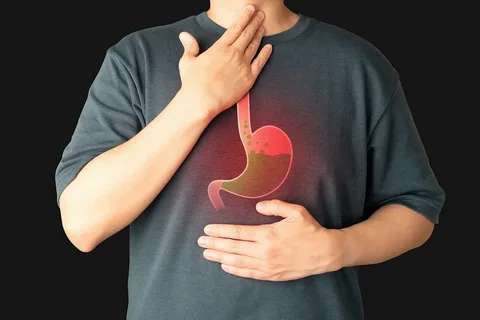
It primarily occurs because of air in the stomach that cannot be released easily due to alterations to the working process of the digestive tract. The knowledge of the causes of gas bloating syndrome is crucial as it helps to cope with the issue effectively. There are several possible solutions for dealing with this problem, both home-based and medical.
Experienced surgeons such as Dr Tahir Yunus focus on improving patient outcomes through personalised care and advanced treatment approaches. Patients under his care not only receive compassionate care but smart solutions to relieve their discomfort. In this article, the focus of the discussion is the main causes and some relief methods for the gas bloat syndrome.
Understanding Gas Bloating Syndrome
The term gas bloat syndrome generally means a set of symptoms that usually develop postoperatively following surgical operations for the treatment of acid reflux (GERD). Surgeons adopt this surgical strategy to strengthen the natural barrier existing between the oesophagus and stomach.
The main purpose is to stop acid flow in the upper parts of the body. Hence, what happens is that the procedure not only successfully prevents acid from flowing up but also prevents gas from exiting the stomach via belching.
The most common symptoms associated with this condition are abdominal distention and/or pain, early satiety (the feeling of being quickly full upon eating), excessive flatulence, and belching difficulties. Understanding the root cause can help to find the right solution or strategies to minimise the trouble, as well as to comprehend when someone needs medical advice.
Causes of Gas Bloat Syndrome
The development of gas bloat syndrome is multifactorial in nature and consists of both mechanical and functional changes after anti-reflux surgery.
Impaired Belching Mechanism
Fundoplication surgery strengthens the lower oesophageal sphincter (LES), which helps prevent acid reflux. However, it may also limit the ability to release swallowed air, leading to gas buildup. Although it prevents the escape of gastric acids back into the oesophagus, it may restrict the passage of the swallowed air upwards. The consequence is that the air that gets accumulated inside the stomach causes distention.
Air Swallowing (Aerophagia)
Many patients unknowingly swallow air while eating, drinking, or talking. When the stomach's ability to burp has diminished, swallowed air cannot be expelled, and the total volume of gas in the stomach increases.
Altered Gastric Physiology
The alteration in the mechanics and adaptation of the stomach changes its ability to digest the food. The stomach usually opens up to accommodate the food someone eats. However, surgery for acid reflux may interfere with this natural relaxation procedure. As a result, even small amounts of food after anti reflux surgery can create a feeling of pressure, fullness, or bloating.
Delayed Gastric Emptying
The vagus nerve is important for the normal emptying of your stomach. Surgical procedures can affect the vagus nerve’s ability to do its job. This can lead to delayed gastric emptying, increasing bloating and discomfort.
Dietary Factors
Some foods and drinks, such as soda, beans or legumes, and fatty foods, can all produce gas. A patient after surgery is adversely affected by these types of foods. This can lead to an increase in the amount of bloating and discomfort in the stomach.
Eat, sleep and live without acid reflux: Visit ALSA Pakistan for impactful reflux surgery
Symptoms of Gas Bloat Syndrome
Gas Bloat Syndrome may manifest itself through several symptoms, such as the following:
- Chronic bloating of the abdomen
- Pain or discomfort in the upper abdomen
- Low tolerance of fullness
- Excessive gas (flatulence)
- Inability or difficulty of burping
- Nausea and vomiting
If left untreated, gas bloat syndrome can have a significant negative impact on one’s overall quality of life.
Diagnosis and Management
Diagnosis primarily involves a clinical evaluation as per the patient’s history and symptoms following a procedure to correct reflux. In addition to the other reasons mentioned, the doctor could also do additional tests like an upper GI endoscopic examination, a gastric emptying study, and imaging studies (ultrasound or CT scan of the abdomen). All these enable the doctor to determine whether a complication of surgery (a failed wrap or blockage) is causing the patient's symptoms.
Relief and Management Strategies
Management of gassiness from bloat relies primarily on relieving the symptoms and improving the functioning of the stomach. Numerous approaches are helpful in this regard. A few are as follows.
Changes to Diet
The first line of management for nearly every type of patient involves changing dietary habits:
- Avoid carbonated beverages and gas-producing foods (e.g., beans, cabbage, and onions).
- Eat smaller meals more often.
- Chew food thoroughly and eat slowly.
- Avoid drinking from straws or chewing gum because they cause more air swallowing.
Behavioural Changes
Alterations in behaviour (to avoid excessive use or too much swallowing of air) can help substantially.
- By practising mindful eating
- By not talking too much while eating
- By learning how to manage stress (e.g., high levels of anxiety can aggravate air-swallowing).
Pharmacotherapy
The following pharmaceutical agents can help with symptom relief:
- Simethicone helps in reduce gas and bloating
- Prokinetic Agents help facilitate gastric motility and emptying
- Antispasmodics help in the relief of abdominal pain
A physician must prescribe all modes of pharmacotherapy first
Physical Activity
When you do lighter types of exercise after your last meal (such as walking), this helps to digest food and move gas or air throughout your digestive system.
Impact of posture
The way you sit after eating will also affect whether or not you will experience bloating. You should avoid reclining or lying immediately after eating.
Prognosis
Gas bloat syndrome has a fairly positive prognosis in most patients who usually experience mild to moderate symptoms and will improve over several months. If managed correctly, the majority of patients will obtain relief from their symptoms and maintain a quality of life. Despite the rarity, in some instances, patients may be in need of a revision surgery.
Final Thoughts
In conclusion, the condition gas bloating syndrome (GBS) is an established complication of acid reflux surgery due to an altered ability of the stomach to manage or eliminate excess air. Difficulty managing GBS symptoms can be addressed through diet modifications, changing behaviours and medical treatment.
Identifying the condition promptly and working collaboratively as a team to provide comprehensive care will help improve the symptoms. The patient must work with their healthcare provider to establish the physiological and behavioural changes to manage the issue without the need for extreme measures (revision surgery).
Dr Tahir Yunus at ALSA Pakistan is well known for providing personalised care and for the latest treatment options. His passion to help patients in improving their quality of life sets him apart from general practitioners. Receiving such professional help and taking a proactive approach to your health can resolve the issue, along with lasting relief.
