
Blogs
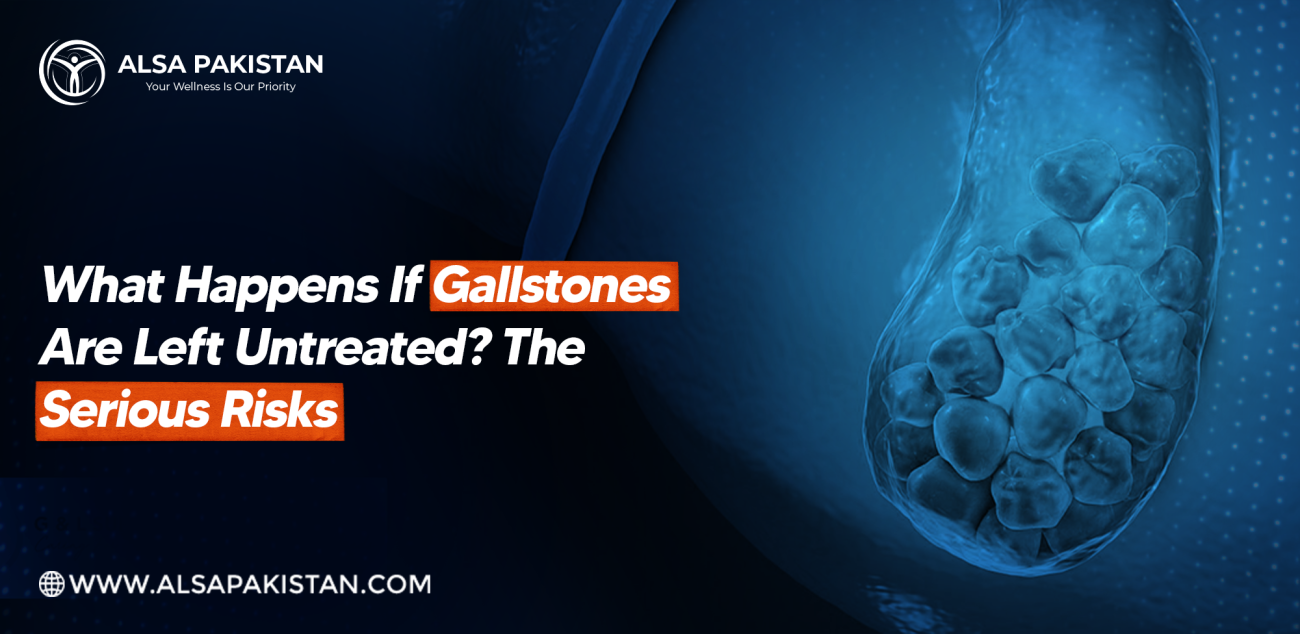
What Happens If Gallstones Are Left Untreated? The Serious Risks
Millions of people worldwide have gallstones in their bodies. This is a common problem and easily treated if managed in a timely manner. Initially, the patient may be unaware of them. But as time passes, the symptoms start to appear. Most of the time, patients confuse these symptoms simply with indigestion or overeating. They don’t go to the hospital because of their busy routine. Some patients use over-the-counter medication for temporary relief. Many people fail to recognize that these symptoms can be warning signs of gallstones. But patients who take these symptoms lightly end up in the emergency care of the hospital.
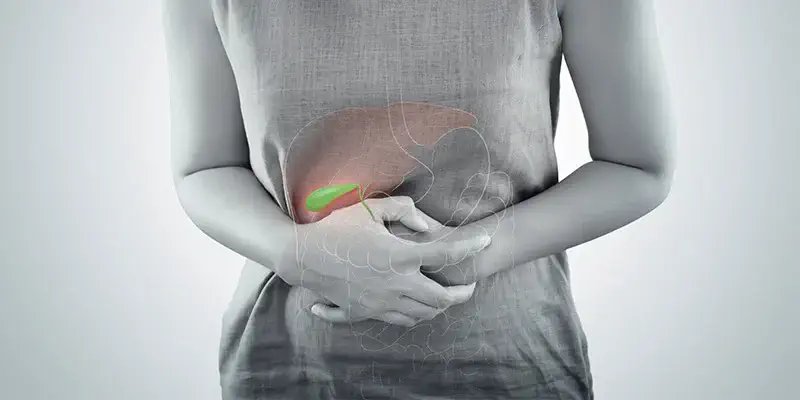
Serious issues with the human digestive system can occur due to gallstones that are left untreated. Patient negligence can be harmful to the patient because there is a risk of complicated surgery if the stones cause a severe problem. However, early diagnosis and gallbladder stones treatment can prevent these complications. A permanent solution is better than living in constant fear of your next flare-up. Consulting an expert surgeon about gallbladder removal surgery today can provide profound relief. Dr. Tahir Yunus at ALSA Pakistan provides advanced, expert care for safe gallbladder removal so that you can confidently return to enjoying your life without discomfort.
This article provides information about the risks of gallstones if they are left untreated. Understanding the risks of gallstones can help the patient to make better decisions about their health and take timely action.
Formation of Gallstones
The gallbladder is a small organ located in the upper right abdomen. The function of the gallbladder is to store a digestive fluid called "bile." Bile simply helps in the breakdown of fats. When the chemical balance of bile changes, pebbles of cholesterol or bilirubin can form. Such pebbles or solid particles are called gallstones. With time, these hard deposits can grow into stones and cause pain in the gallbladder. Gallbladder stones can be of various sizes, ranging from as small as a grain of sand to as large as a golf ball. Many people carry gallstones without even knowing it. Such gallstones are called "silent stones,” because they don't show any symptoms. While some people ignore the symptoms because they think that it is not a major problem. But it should not be ignored.
Protect Your Health From Untreated Gallstones with Dr. Tahir Yunus at ALSA Pakistan.
Get The Ultimate Treatment Plan To Prevent Severe Complications.
Serious Risks of Untreated Gallstones
1. Acute Cholecystitis.
The gallbladder is an organ whose function is to store bile. If a stone or pebble blocks the gallbladder duct, then bile juice will not be able to move out of the gallbladder. This trapped bile will start irritating the walls of the gallbladder, causing inflammation and pain. It also increases the chances of bacterial infection in the gallbladder.
This situation is known as acute cholecystitis. Patients feel constant and severe pain along with high fever and chills. As the exit of the gallbladder is blocked, the organ starts swelling like a balloon because of the accumulation of bile. This is the most common complication patients face when they ignore the initial symptoms of gallstones. During such situations, if proper treatment does not begin, then there is a chance of rupture of the gallbladder, which can be life-threatening for the patient.
2. Choledocholithiasis and Jaundice
The gallstone may also move and lodge in another duct, thereby obstructing it. This is referred to as choledocholithiasis, where there is the presence of a stone in the common bile duct. The bile goes from the liver into the intestine through the common bile duct. If the gallstone gets stuck in the common bile duct, it may obstruct the bile from reaching the small intestine.
This means that the bile will not be able to leave the liver. The bile will then be carried into the bloodstream instead. This is what leads to jaundice. The patient will then realize that they are turning yellow. The urine of the patient will turn dark, while the stools turn pale. Alternatively, a severe infection of the bile duct can also occur. This is called cholangitis. Such infections need immediate medical attention and a heavy dose of antibiotics.
If cholangitis is not treated early, then the infection can enter the bloodstream. This might lead to systemic collapse/sepsis. Surgery might be needed to clear the blockage efficiently.
3. Gallstone Pancreatitis
Gallstones also affect the pancreas, and it is one of the major risk factors associated with untreated gallstones. This is because the bile duct and the pancreatic duct have a single opening into the intestine. If the gallstones reach the single opening and block the duct, then the gallbladder and the pancreas are both affected. The enzymes will not move into the intestine and affect the digestion of the food. Moreover, the storage of the enzymes for a long period of time may start the digestion of the pancreas. This condition is known as acute pancreatitis.
This condition is life-threatening, and the person experiences unbearable pain, and hospitalization of the person becomes a necessity. Other symptoms associated with pancreatitis include vomiting, fever, and increased heartbeat. This can also lead to organ failure.
4. Gallstone Ileus
In very rare cases, the inflammation due to gallstones can create an unnatural tunnel called a fistula. This unnatural tunnel is created between the gallbladder and the intestine. A stone from the gallbladder can travel into this tunnel and get stuck in the bowel. This may cause mechanical blockage and lead to severe symptoms such as vomiting and swelling of the abdomen. Such rare cases require immediate surgery to remove the blockage. Otherwise, they can be life-threatening.
5. Gallbladder Cancer
If the stones of the gallbladder are left untreated for years, constant chronic inflammation may affect the gallbladder. Due to this constant irritation and scarring, some cells of the gallbladder become cancerous. Data from the research mentions that around 11,000 cases in the UK every year are linked to gallbladder cancer. Although it is a rare condition, it can happen to those patients who do not treat their gallstones.
What is the best approach?
Waiting and delaying the treatment make the situation worse. Even after the diagnosis, many patients avoid the doctor because they fear surgery. Initially, the issue is only the removal of the gallstones. But later on, if the stones travel to the bile ducts or other organs, the surgery can become complex and high-risk.
Gallstone removal surgery is scientifically known as a cholecystectomy. The advancement in technology has led to the use of laparoscopic techniques for gallstone removal surgery. They involve smaller incisions and minimal pain. The recovery is faster and smoother. The human body can function normally if the gallbladder is removed. The bile is directly transferred to the intestine from the liver. An open surgery is only performed when the condition becomes severe. This results in more pain, a longer hospital stay, and a longer recovery period. Therefore, in order to avoid these dangerous risks, early treatment is necessary.
Certain changes in lifestyle habits can prevent the formation of gallstones. Some of the helpful prevention tips include:
- Maintaining a healthy weight and preventing obesity. People above the age of 40 have a higher risk of developing gallstones. So, a healthy weight matters a lot.
- Avoiding rapid weight loss diets (crash diets). Because if the weight is lost rapidly, it delivers extra cholesterol, which can lead to stone formation.
- Eating a balanced diet with fiber and healthy fats. People who consume a high-fat diet develop gallstones easily.
- Exercising regularly to remain active.
- Drinking enough water and remaining hydrated.
Conclusion
Ignoring gallstones can be serious for digestive health. A small pebble in the gallbladder that could be easily resolved with laparoscopic surgery can become dangerous if left untreated. Patients should not wait for the pain to worsen. Immediate care should be taken if any discomfort is felt. Timely care is better than life-threatening complications. Consulting a specialist about gallstone removal surgery today can provide peace of mind and physical relief. Dr. Tahir Yunus provides expert treatment of gallstones. Schedule your gallstone removal surgery with ALSA Pakistan and get lasting relief from the pain and discomfort.
