
Blogs
Life without a gallbladder: What the long-term evidence really shows
Most often, people choose to live a life without their gallbladders when they face situations that would stay in their memory forever. This may involve serious abdominal pain, an overnight stay at an emergency ward, or fear that every bite may cause distress. In any of these instances, gallbladder removal is the only way out. Around the world, gallbladder surgery or “cholecystectomy” is one of the most frequently performed procedures. Treatment of problems like gallstones, gallbladder infections, gallbladder inflammation, or bile disorders is the primary goal. Physicians usually tell patients that they can live normally without a gallbladder. In the majority of instances, it happens in reality.
A dedicated and compassionate surgeon like Dr Tahir Yunus not only provides advanced and precise procedures but also educates their patients about the real scientific evidence. He takes the responsibility to guide patients about what they can go through. Years down the road, however, some individuals become curious about whether their general wellbeing ever came back to its natural state.
Keep reading to have an insight into life without a gallbladder, including the benefits, possible complications and what medical science says about it.
What does the gallbladder actually do?
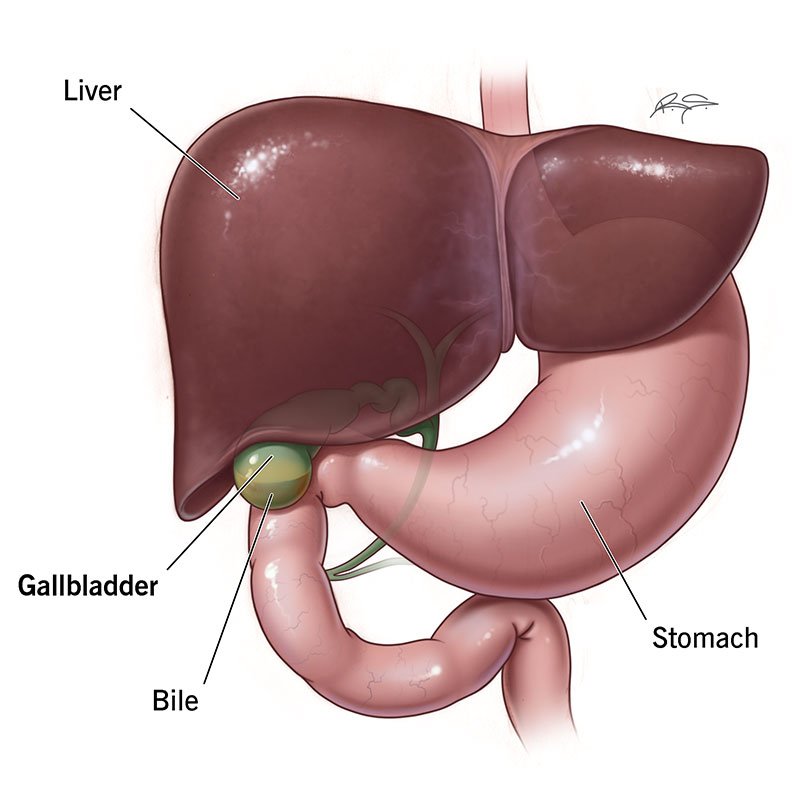
The human body is equipped with numerous important organs. All perform crucial functions. Among these, the gallbladder is usually described as an organ whose removal does not affect your survival. It resembles a pear in shape and lies under the liver. It serves the purpose of storing and concentrating bile (a fluid made by the liver for aiding in digestion). The breakdown of fats is the main responsibility of the bile. Moreover, it helps in the absorption of fat-soluble vitamins such as: vitamins A, D, E, and K)
The control and command of bile secretion come from the gallbladder. During the process of digestion, the gallbladder contracts and sends bile through the bile ducts into the small intestine. This process takes place in an organized manner. According to the food type to be digested, only the required amount of bile is sent ahead.
If one removes the gallbladder, the production and supply of bile continue. However, now its flow is direct between the liver and the small intestine without any quantitative check. The digestive system adjusts accordingly, but the process is not precisely the same as in the presence of a gallbladder. Thus, life without a gallbladder is not threatening but possibly could be a little bit difficult.
Why is gallbladder removal so common?
Gallstones come at number one on the list of all gallbladder problems. This may affect people who are in the middle of their ages, females, people with obesity, or those who have tendencies to acquire illnesses. Stones inside the gallbladder are usually symptomless and unnoticed. But then again, they can still produce complications like pain, nausea, vomiting, infections, and obstruction of the bile ducts.
When the gallbladder symptoms recur often or become complicated, or when other measures fail, it means gallbladder removal becomes necessary. Surgeons typically prefer the laparoscopic technique. The procedure has a high success rate and few risks. Yet, the majority of people feel curious about why experts do not go for stone removal and preserve the organ. There are several reasons to not consider only stone removal. The most critical ones are
- Stones would commonly come back
- Symptoms may return
- Another surgery might be needed later
- Inflammation or infection risk remains
The long-term experiences of patients
While not all ask, every single individual undergoing gallbladder surgery thinks about whether life without a gallbladder will be normal or not. Keeping in account the scientific evidence, it has been observed that long-term experience of patients comprises the following possibilities.
Digestive Changes
Loose stools or diarrhea:
Constant production of bile into the bowel tract can sometimes cause irritation of the bowel wall. In turn, it causes loose stools or diarrhea, especially after eating fatty foods.
This problem is common, especially within the first few months.
Decreased tolerance to fatty foods:
Consumption of greasy or fatty foods might make one feel uncomfortable, with a tendency to suffer from bloating or even diarrhea. The primary reason is the body's inability to concentrate and release bile in bursts.
Bloating/gas formation:
Some patients may complain of gas formation or bloating of the abdomen. The problem is especially prevalent after consuming large amounts of food or when the foods consumed contain lots of fats or little fiber.
Irregular bowel activity:
In the majority, bowel movements, temporarily or sometimes on a long-term basis, become irregular. This especially happens during the adaptation period (early recovery) following the operation.
Indigestion:
If the patient neglects the fat amount in food or quantity per meal, a feeling of nausea or a heavy stomach is common
Surgical care and expertise, you can trust: Visit ALSA Pakistan for effective gallbladder treatment
Consult Dr Tahir Yunus to have precise, advanced laparoscopic gallbladder treatment.
Impact on Diet
After gallbladder surgery, the body is unable to store and release bile; hence, fat digestion becomes much different from before. After a period of time, individuals can typically return to their normal diets; however, some foods may need to be limited. The following changes are most probable to be expected:
The following food list could be trouble-causing
- Fast food,
- fatty food,
- high-fat food,
- creamy sauces,
- oily food
All the above-mentioned foods may lead to bloating, gas, and diarrhea because bile is not stockpiled.
- Large quantities of food at once may overburden the digestive tract. Thus, it is better to consume small amounts frequently.
- A high-fibre diet becomes a must. It ensures proper bowel movement and reduces diarrhea.
- Individuals may experience sensitivity to spicy foods, greasy food, caffeine, and highly rich foods.
- To support your digestive health, water consumption in an adequate amount becomes more important.
- Most people eventually return to a normal, balanced diet. It is also a fact that some have to continue with lighter or lower-fat meals for comfort.
Gut microbiome and metabolism
The influence of changes on gut flora and metabolism after cholecystectomy is also important since bile acids participate in digestive processes. Its major role is to serve as a signaling molecule involved in glucose, cholesterol, and metabolic pathways.
Unceasing bile flow is favorable for the growth of bacteria resistant to bile acids, resulting in a reduction of bile acid-sensitive bacteria. As a result, it causes discomfort like bloating and abnormal bowel movements; however, the condition returns to normal after several months.
Can the body adapt without a gallbladder?
In general, a person's body is capable of adapting very well, even without a gallbladder. This is because the liver continues to produce bile even after surgery. The gallbladder serves as a reservoir where it concentrates and stores bile. In its absence, it would be secreted constantly but in smaller amounts. Thus, after gallbladder removal, bile will drain directly into the small intestine from the liver. With time, the body will learn how to accommodate this constant flow of bile, and there will be no serious problems with digesting the food. The intestinal tract and bile ducts become accustomed to the fact that there is no more bile accumulation. Moreover, the gut microbiome stabilizes within several months. It is possible that at first a person might have some problems like bloating, diarrhea, and changes in bowel movement patterns. However, all these problems are only temporary, and with time, they subside.
Evidence that most patients feel better
Multiple research studies show that the majority of patients feel better after a gallbladder surgery. There is usually an obvious relief of symptoms, particularly in cases where the patient suffers from pain and inflammation due to gallstones. The body eventually adjusts, and the patient's quality of life is likely to be positively affected. Some prominent changes are
- A marked decrease in abdominal pain, nausea, and indigestion
- More comfort while eating than before the operation
- Digestive problems may arise temporarily, but will be overcome
- Return to regular dietary habits and lifestyle activities
- Overall satisfaction level is high in most instances
Conclusion
In the end, life without a gallbladder is quite tolerable. The clinical evidence shows that people tend to adjust quite well after gallbladder stones treatment. Although the main function of the gallbladder is storage and excretion of bile, the lack of a gallbladder does not significantly digest. Some alterations can occur for a while, but they eventually stabilize. As a rule, studies demonstrate that patients are likely to benefit from the absence of the gallbladder, as they tend to improve their quality of life and suffer no negative consequences apart from dietary and lifestyle factors.
At ALSA Pakistan under the clinical observations of Dr. Tahir Yunus, who has significant experience in hepatobiliary surgery and digestive disorders, greatly improve the patients' lives and recovery. His emphasis remains on the proper management of the disorder and subsequent adjustment of the patient. If you choose to recover under expert care, living without a gallbladder could be safe and comfortable for you.
