
Blogs
What are the After Effects of gallbladder removal surgery?
A slight physical discomfort is enough to interrupt all life routines. A gallbladder issue can affect you in the same way. Feeling uncomfortable following a meal, acute pains around the rib area, and even sleepless nights can all happen. Most people ignore these signs or go for temporary treatments until the symptoms become unbearable. Ultimately, surgery seems like the best option available. If you have been struggling with gallbladder pain that is making your normal lifestyle unbearable, then gallbladder surgery can normalize your life.
Most gallbladders are removed due to conditions such as gallstones and recurrent inflammation. Despite its high success rate of eliminating any sign of gallbladder problems, the body still needs time to adjust without the presence of the gallbladder.
During this adjustment period, patients may experience certain physical and digestive changes. The condition could be referred to as after effects of gallbladder removal surgery.
If you choose a highly reputable surgeon in the areas of laparoscopic and gastrointestinal surgeries, like Dr. Tahir Yunus, complications will be minimal. His competency and dedication enable his patients to cope with the new digestive mechanisms smoothly. This blog will highlight the possible changes one may face after gallbladder removal regarding all aspects.
What is the function of the gallbladder?
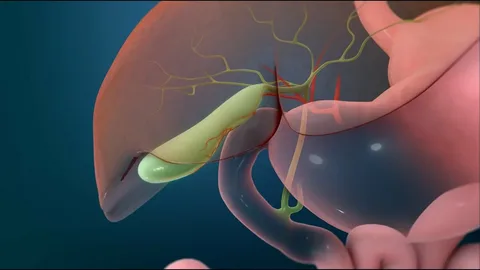
Unlike the common perception, the digestion of food does not occur only in the stomach. Numerous other organs contribute to the process and gallbladder is one of them. Any kind of fat that enters the body needs bile for digestion. It is a substance that is produced in the liver. Located beneath the liver, the gallbladder stores and concentrates bile. It then releases bile into the small intestine when needed. The larger the fatty meal, the greater the amount of bile will be secreted. In simple words, your gallbladder is a storage organ for bile as well as a good manager.
After gallbladder surgery, when this storage is no longer possible, bile directly comes from the liver to the intestine. Now, in the case of intake of fatty meals, the bile in large quantities or concentrated form is not available. As a result, some people may experience temporary digestive discomfort. However, these after effects of gallbladder removal surgery are conveniently manageable, and many of these are temporary.
Immediate after effects of gallbladder removal surgery
Right after the surgery, the prime focus of the patient and surgeons is a safer and quicker rehabilitation. Regardless of the type of surgery, whether laparoscopic or open, the body takes some time to heal. So everyone has to face the following.
Pain and Discomfort
There is always some level of pain or discomfort in the areas where surgery is done. In cases of laparoscopic surgery, although small cuts speed up recovery, some pain in the abdominal region is unavoidable. Pain medications usually provide significant relief while the body heals.
Fatigue
Several factors can keep you tired. It could be due to
- Anesthesia
- lack of physical exercise
- Blood loss (in case of open surgery)
- Body’s healing mechanism
- Weakness (Due to less diet intake in early days after the procedure)
Pain in Shoulders and Upper Abdomen Caused by Gas
Surgeons blow gas into the abdomen in order to expand it during the laparoscopic surgery procedure. This may cause temporary shoulder and upper abdominal pain.
Nausea
Mild levels of nausea may occur because of the anesthesia and digestive system changes.
Changes in the digestive system
After gallbladder surgery, the digestive system needs to adjust to the constant release of bile from the liver into the intestines. These modifications cause patients to experience the following.
Difficulty in fat digestion
Since there will be no longer bile storage, the patient will find it hard to digest high-fat meals at first. As a result, the individual may experience bloating when consuming such meals.
Diarrhea and watery stools
Another frequent effect after surgery is diarrhea. The continuous flow of bile into the intestines may cause irritation and increase bowel movements. However, this is likely to improve gradually.
Gas and bloating
Some patients experience excessive production of gas and hence get bloated. This problem will also fade away over time.
Irritation caused by bile acid
Constant passage of bile acids into the colon can cause irritation that can cause discomfort.
Visit ALSA Pakistan to have an advanced laparoscopic cholecystectomy for lasting relief
Consult Dr Tahir Yunus to receive expert gallbladder treatment along with compassionate care
Long-term after effects of gallbladder removal
Most patients, after the surgery, feel completely healthy and lead an active lifestyle. However, some effects may stay for longer periods of time.
Sensitivity to fats
Some patients may suffer from discomfort after eating highly greasy or fried products; however, the intensity varies among patients.
Bowel habits
There can be alterations in the patient's bowel functions, like the appearance of softer stools or sometimes even diarrhea after large meals.
Diet awareness
Many patients become more mindful of their diet by choosing smaller and lighter meals. In case they don’t, they suffer from various digestive issues.
Weight fluctuations
The body weight may change after the procedure because of dietary changes patients make. It may occur as both a loss and a gain of weight depending on the patient's diet and genetic response of the body.
Lifestyle and dietary adjustments: Experts' recommendations
The proper choice of lifestyle is crucial in mitigating the after effects of gallbladder removal surgery and ensuring quick recovery. Some helpful strategies are
- Low-fat food initially: Low-fat food is advised during the early stages of recovery, which decreases strain on the gastrointestinal tract.
- Return to normal foods gradually: Fats should be introduced into the diet gradually; healthy fats, such as olive oil and nuts, are preferred over fried and fast foods.
- Eating small amounts more frequently: By eating smaller portions, the body will be able to digest fats more effectively without developing bloating.
- Sufficient fiber intake: Eating soluble fiber (bananas, apples, oatmeal) aids in preventing diarrhea by regulating bowel movements.
- Drinking enough water and exercising: Physical activity, such as walking, and drinking enough fluids positively impact digestion.
Emotional impact after gallbladder removal
It should be noted that a surgical procedure has not only a physical impact on the patient, but it also affects their mental state. Patients may have some emotional disturbances, like fear of eating certain foods or concerns about recurring pain.
On the other hand, many patients experience emotional relief after finally overcoming years of gallbladder-related symptoms. Those who are fearful of complexities must educate themselves about the procedure and its possible consequences. Even if they do not feel good after the procedure, they should not hesitate to seek professional psychological support.
Wrapping Up
In the end, gallbladder surgery or laparoscopic cholecystectomy surgery is a very successful method for treating gallstones and other disorders. Although the procedure can effectively reduce the problem, there are certain post-surgery effects that occur temporarily or even permanently. The most common issues that patients experience are the digestive symptoms, such as flatulence, diarrhea or sensitivity to fats. A small number of patients may experience persistent symptoms, a condition known as Postcholecystectomy Syndrome. However, all the after effects of gallbladder removal surgery are easily treatable.
Over time, along with the adjustment of diet and other lifestyle choices, the patient can have a perfectly healthy life again. If you receive compassionate care from an experienced surgeon like Dr. Tahir Yunus at ALSA Pakistan, there is no need to worry. He employs the most advanced procedures that are safer too. This can help you return to a healthier life sooner without bearing much in terms of physical discomfort.
