
Blogs
Laparoscopic Gallbladder Surgery in Pregnancy: Safety & Risks
Pregnancy is regarded as one of the most delicate periods of women's life when minor health problems can cause serious anxiety. In such a scenario, diagnosis of gallstones along with pain, nausea and vomiting could be alarming and enough to create extraordinary stress. This time, the medical condition is not about physical discomfort but also the concern of harming one's child. This can confuse anyone when deciding whether to undergo surgery.
Indeed, in a situation (pregnancy) when a woman’s body is in severe need of blood for the development of a child, even minimal surgical risks can raise concerns. Thanks to the developments in the surgical field, laparoscopic techniques have minimised blood loss and other risks associated with the surgery. Hence, laparoscopic gallbladder surgery in pregnancy has become not only feasible but safer than ever.
Additionally, for better postoperative care and advanced management, Dr Tahir Yunus at ALSA Pakistan is among the best. He has helped establish the importance of this procedure. Laparoscopic surgery is one of his specialities, and patients under his care receive advanced procedures with high safety protocols.
The purpose of this blog is to clarify the doubts and fears about laparoscopic gallbladder surgery in pregnancy and to highlight its significance for the health of the mother and fetus.
Why is there a greater chance of Gallstone formation in Pregnancy?
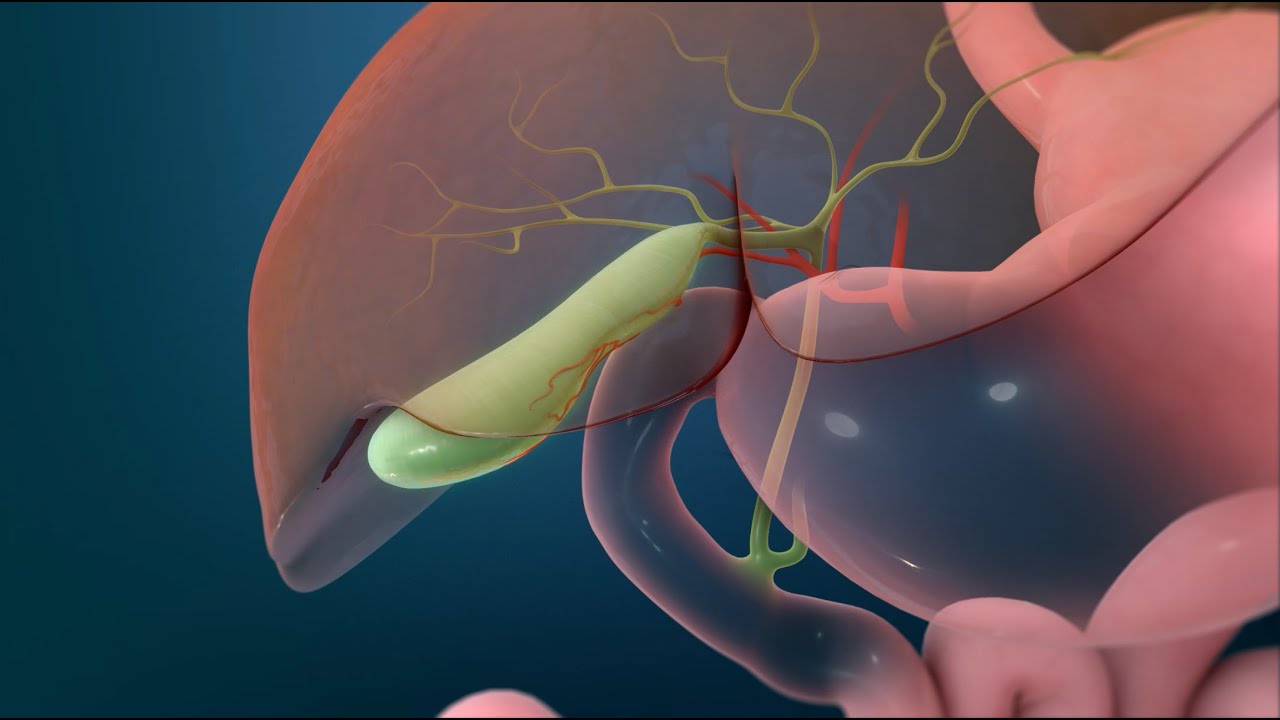
The gallbladder is an organ serving as a store for bile. Bile is produced in the liver and stored in the gallbladder. Gallbladder problems in pregnancy occur due to hormonal changes. In this case, there is more accumulation of the main reproductive hormones.
These changes increase the concentration of cholesterol and bilirubin in bile.
It also affects the activity of cholecystokinin, a hormone responsible for gallbladder contractions. In turn, that results in improper enterohepatic circulation of cholic acid (more) and chenodeoxycholic acid (less). It increases the bile's consistency, making it more likely to form gallstone. All the changes to hormonal settings make women susceptible to gallstone formation.
Some of the main elements that contribute to the formation of solid lumps are as follows.
- Progesterone slows down the function of the gallbladder
- Estrogen during pregnancy increases and enhances the cholesterol concentration in bile
- During pregnancy, the size of the uterus gradually enlarges, and this puts pressure on the gallbladder
Common Symptoms of Gallstones in Expecting Mothers
Although some medical conditions can overlap during pregnancy, an appropriate diagnosis is important. During pregnancy, women can encounter the following common but recurrent symptoms more often in case of biliary system problems.
- Vomiting
- High fever
- Itching
- Nausea
- Sudden sharp pain in the lower or right side of the body
Indications for surgery in pregnancy
Management of gallstones in pregnant patients is usually conservative through diet changes, IV hydration, analgesics, and anti-nausea medications. Surgery is recommended in certain cases, such as:
- Recurrent biliary pain resistant to non-surgical therapy
- Acute cholecystitis
- Gallstone-induced pancreatitis
- Obstructive jaundice/choledocholithiasis
- Multiple hospitalisations for biliary problems
Conservative treatment may result in adverse consequences on the part of the mother and fetus owing to recurrent inflammation, infections, or pancreatitis. Therefore, surgical removal by laparoscopic cholecystectomy remains the ideal procedure for selected patients.
Safety of laparoscopic gallbladder removal surgery in pregnancy
Feasibility
Advantages
It helps decrease uterine disturbance, which reduces the chance of fetal loss. Also, because there is less manipulation of the uterus, surgery requires a shorter hospital stay and a faster recovery. It allows a quicker return to normal activities. In addition, there is
- Lower Cost
- Absence of increased fetal abnormalities
- Less post-operative pain than open surgery and
- Less time spent in the hospital
- Decreased chances of wound-related complications and post-surgical infections
Get advanced gallbladder surgery with reduced pain and faster recovery in pregnancy: Visit ALSA Pakistan
Risks and Complications
Although it is regarded as a safe surgery, it carries some possible risks with it. An individual should keep them in mind and take safety measures.
Obstetric risk: These are the risks associated with pregnancy conditions. It involves preterm birth, miscarriage, or fetal morbidity.
Uterine injury: Intrusion of trocars through laparoscopic procedures poses a potential danger of unintentional damage to the uterus. The danger becomes higher during pregnancy because of the enlarged size of the uterus and changes in the body’s physiology.
Fetal problems: The risk factors associated with this scenario include fetal hypoxia and acidosis. They occur due to a rise in maternal carbon dioxide levels crossing through the placenta. It will result in fetal distress and bradycardia, which is characterised by a prolonged fetal heart rate lower than 110 beats per minute. Nonetheless, it is possible to avoid these issues through proper surgical procedures.
Maternal complications: There is also a risk of exposure to intra-abdominal smoke. It includes carbon monoxide generated by electrosurgery and lasers. Another important maternal risk is aspiration problems, which are caused by anaesthesia reactions (Mendelson’s syndrome).
Key Precautions And Best Practices To Avoid Complications
There are some preventive considerations that can help a patient avoid any of the above-mentioned complications.
Experienced Professionals:
This surgery needs a skilled team for effective execution. The surgical team should involve competent laparoscopic surgeons, obstetricians for pregnancy issues management, and an anesthesiologist. All of them should work together to make the surgery go well.
Timing:
The best time to do a cholecystectomy is in the second trimester because there is less chance of miscarriage. Moreover, the uterus is small enough and doesn't interact with laparoscopic surgery during this stage.
Positioning:
The operation in the early phase of pregnancy should be performed in a dorsal lithotomy position. Nevertheless, in the second trimester of pregnancy, it is recommended to use a left lateral tilted position since it decreases the pressure on the inferior vena cava.
Controlled pneumoperitoneum:
Low-pressure pneumoperitoneum maintains a lower CO₂ concentration, ideally at 10 mm of Hg (less than 12 mm of Hg), during insufflation (blowing gas into the abdominal cavity). The technical use of CO₂ in laparoscopic gallbladder surgery in pregnancy helps to get more space for visualisation. Improper management may cause respiratory problems in both the mother and the fetus.
Technique:
The ideal method is an open access technique using a Hasson trocar to avoid any direct trauma or damage to the wall of the gravid (pregnant) uterus. In some cases, pneumoperitoneum is created in gravid patients as a closed Hasson trocar technique that uses the Veress needle.
Conclusion
In summary, pregnant patients can get symptomatic biliary disease due to hormonal functions leading to altering the bile components' balance and causing cholelithiasis (formation of gallstones). Contrary to the common concept, surgery is not always harmful for a safer but instead could be supportive. The popularity of the laparoscopic gallbladder surgery in pregnancy is due to its minimally invasive nature and effectiveness.
This procedure works well in most cases; however, it may be complicated to handle since there should be careful consideration for the health of both the mother and the baby. This procedure is safer than the other options, including delayed treatment and conservative treatments, since surgery is unavoidable for pregnant patients with gallstones.
However, you cannot compromise on the expertise of a surgeon while deciding to have Gallbladder surgery during pregnancy. A wrong choice can affect two lives simultaneously (mother and fetus). Dr Tahir Yunus from ALSA Pakistan is a compassionate surgeon and specialises in providing excellent care. His international exposure to healthcare standards ensures patients' safety and comfort. After making the right choice regarding a surgeon, you can get rid of gallstones conveniently by having a safer surgery, even during pregnancy.
