
Blogs
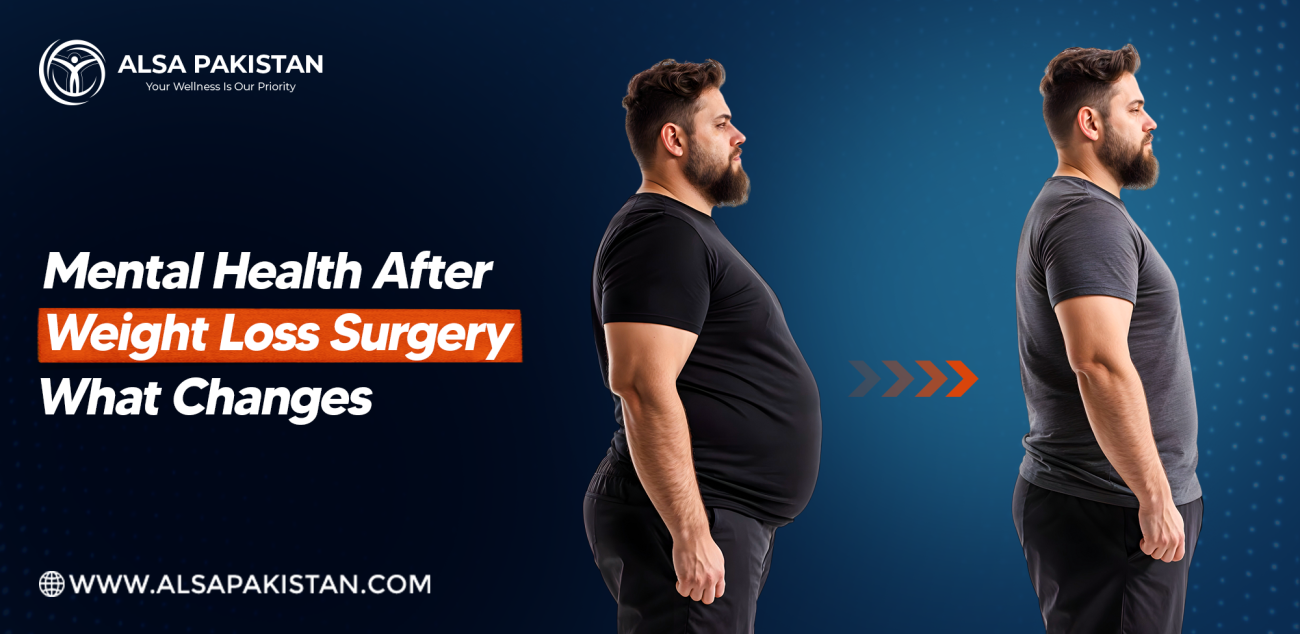
Mental Health After Weight Loss Surgery: What Changes?
People seem to be talking frequently about the benefits of losing weight on different platforms. Weight loss surgery is associated with various physical transformations. When losing weight, your flexibility increases, sleep improves, and symptoms of obesity-related conditions ease. There is another side of the picture that usually doesn’t come up in the discussion.
Changes in the body, food intake and expectations are likely to cause certain emotional difficulties. Different individuals have different emotional experiences after weight loss surgery, and they don’t always appear right away. An experienced surgeon like Dr Tahir Yunus at ALSA Pakistan takes this into account and ensures that patients feel confident throughout their journey.

In the following blog post, you will get information on what you can expect regarding mental health after weight loss surgery and the ways to cope with it.
Possible Changes In Mental Health After Weight Loss Surgery
The effects of weight loss surgery extend beyond just reducing the size of the stomach. It influences your eating pattern, daily functioning, and your relationship with food. These factors also impact your emotional state. Every patient’s emotional experience is different. The following changes in mental health after weight loss surgery are likely to be expected.
1. Increased Self-Confidence
One important impact of weight loss is increased self-confidence. The reduction of weight can make many regular activities easier and improve the appearance of the patient. As a result, people start feeling more comfortable taking part in social events, exercising, and traveling. It also gives patients an opportunity to feel more confident when meeting strangers or engaging in activities that they were avoiding before.
The boost in confidence is beneficial for psychological well-being. Sometimes the process of increasing self-confidence proceeds more slowly than the process of weight loss.
2. Changing Body Image
A mix of feelings accompanies an altering body. Weight loss improves physical health, but it also leaves loose skin and a different body shape. A lack of familiarity with a more slender body can impact one’s perception of self-image. Contrary to the expectation that “weight loss will bring satisfaction”, issues related to body image can continue to exist.
It’s crucial to deal with such problems appropriately. Seeking psychological counseling can be helpful in this regard.
3. Mood Improvements Are Possible
In many cases, losing a lot of weight leads to an improvement in symptoms of depression and quality of life. Reasons for this are numerous. First, being able to move more freely improves people’s lives. Better sleep and physical activity positively impact one’s mood. When weight-related conditions ease, you can carry less day-to-day stress. Bariatric surgery is not a cure for all mental health disorders, but it helps you feel better about yourself.
4. Anxiety Can Take Another Form
People can notice that anxiety subsides after surgery, especially as they get accustomed to exercising and socializing. In some cases, patients face anxiety in the process of adaptation. Nutritional deficiencies and feeling scared about gaining weight again, lack of nutrients, and failure to meet the recommended diet can make patients anxious. Some individuals develop obsessions related to food intake and weight gain. If these worries persist or affect quality of life, talk to your team.
Weight Loss That Supports Your Mental Wellbeing: Meet Dr. Tahir Yunus for Safe Bariatric Surgery to Transform Your Health Beyond the Scale with ALSA Pakistan.
Your Relationship With Food Will Change
Food can also have emotional, social, and cultural significance. Some people will resort to emotional comfort through food intake prior to surgery, when they are under stress, depressed, bored, or experiencing any other kinds of emotions. After surgery, the process of eating changes since there is less ability to consume food and some types of food become less tolerable. That's why you need to look for alternative methods to cope with such emotions. The alternatives can include:
- Physical activity
- Relaxation
- Social contacts
- Hobbies
- Psychological counseling
It is especially relevant for people with a history of emotional and binge eating.
Concerns With Eating Can Arise
Mental health after weight loss surgery can sometimes be closely linked to food. An individual can start fearing eating excessively or gaining weight and failing to stick to their diet. It is completely normal for someone to feel worried occasionally. An obsession with food or a preoccupation with weight can impact the quality of life negatively.
The symptoms include feelings of guilt about eating, restrictive eating habits, secretive eating, and anxiety about gaining back the lost weight.
Social Relationships Feel Quite Different
Major weight loss can have an impact on social interactions and relationships. The reactions of one’s friends, family members, and even colleagues to their new body image and lifestyle differ significantly.
People notice you much more and praise you, while others can find it difficult to deal with any compliments concerning your figure and weight. Your eating restrictions can negatively affect social gatherings which include food. All these things will require emotional adjustments.
Hormones And Nutrition Are Affected
Weight loss surgery can affect the body's absorption of different nutrients depending on the surgery you had. Deficiencies in iron, vitamin B12, folate, and vitamin D can occur if patients don’t follow the nutritional guidelines. Some can leave you tired, foggy, and affect your mood. This is one reason why periodic blood tests and prescribed supplements are important for post-surgical patients.
It is essential that whenever a patient experiences mood and energy changes, the root of the problem can be found rather than immediately assumed to be emotional adaptation.
At What Point Should You Consider Mental Health Treatment?
Emotional highs and lows are expected as you undergo your weight loss surgery recovery process. But symptoms that persist or get worse require the help of professionals. Contact professionals if you have ongoing feelings of
- Sadness
- Extreme anxiety
- Isolation
- Disinterest in previously enjoyed activities
- Major changes in your eating habits
- Thoughts of hurting yourself
Receiving mental health help doesn’t mean that the weight loss surgery procedure has failed. It is, rather, an essential component of your overall health plan.
Final Thoughts
Mental health after weight loss treatment is the element that needs your core attention, as it is closely associated with your physical health. Increased mobility improves people’s quality of life significantly. Meanwhile, body image disorders, alterations in nutrition practices and relationship issues can bring new problems. The key thing to understand is that it takes some time to emotionally adapt to a new body. Take your time and consult your healthcare provider regarding the things that bother you.
Dr Tahir Yunus is known for the compassionate care he provides to his patients. He talks through each concern so patients know what to expect at every stage. Bariatric procedures can become an effective tool in achieving good health, but long-lasting results require proper care of physical and mental well-being.
