
Blogs
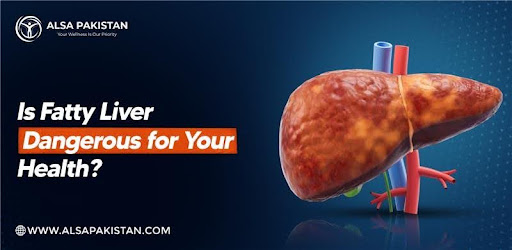
Is fatty liver dangerous for your health?
Fatty liver disease is becoming widespread throughout the globe. Quite a lot of people have this disease but don’t even know about it. That’s because fatty liver might not show any distinct symptoms during its early stages. But that doesn’t mean that it should be overlooked. There are various functions that the liver fulfills. It aids in the processing of nutrients and detoxification of the bloodstream.
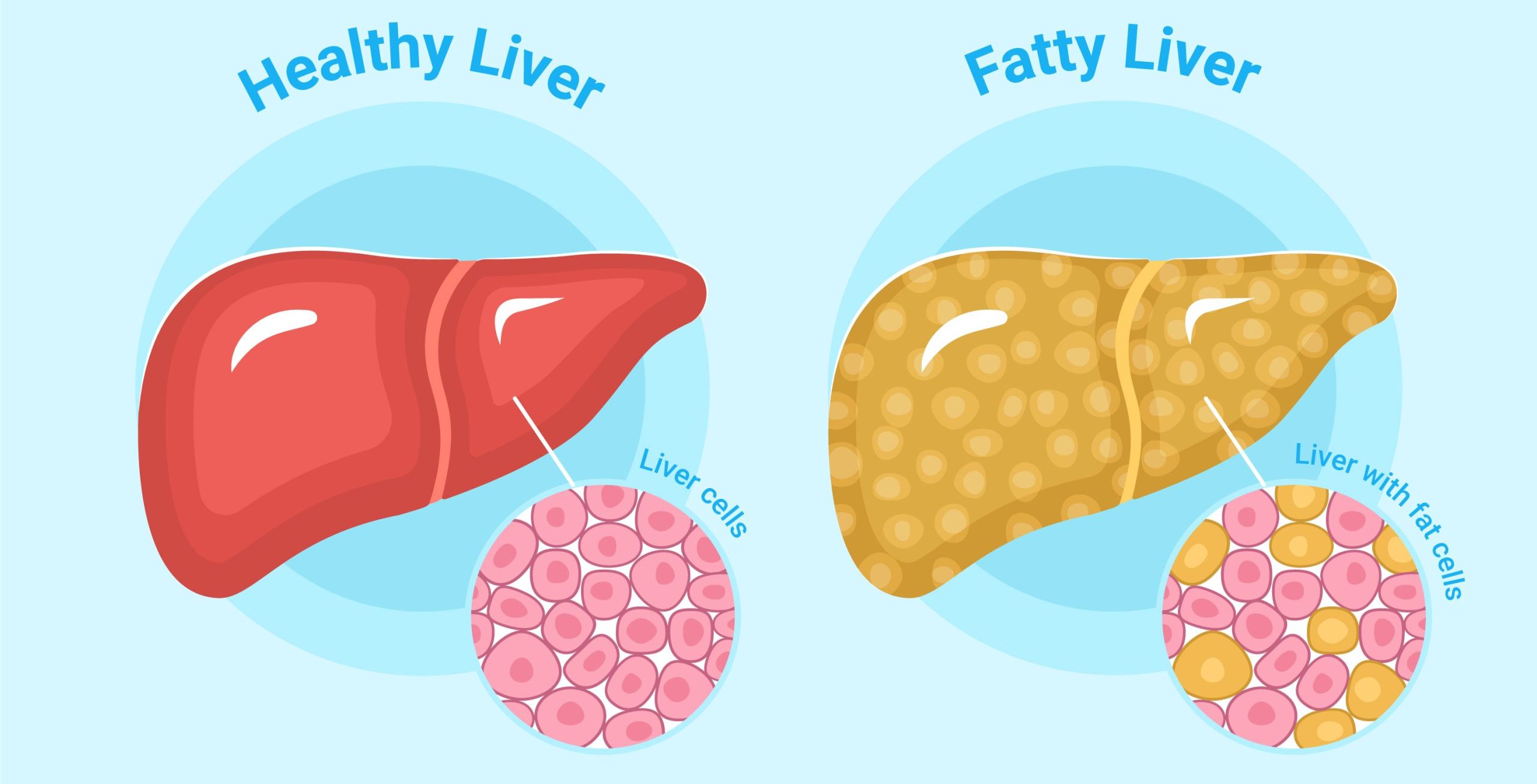
Besides, it is responsible for maintaining proper digestion processes and regulating energy levels. When there’s an accumulation of excess fat in the liver, these functions get disturbed. Medical experts call this condition fatty liver.
The real question is: “How dangerous is fatty liver disease for your health?” Well, the answer will depend on the type and stage of your disease. Fatty liver disease in simple cases might not lead to any liver problems, but it could be potentially damaging if it progresses continually. For patients with obesity and related metabolic conditions, metabolic surgery for diabetes may be one treatment option to consider under medical guidance. Dr Tahir Yunus at ALSA Pakistan is reputed for advanced treatments of gastrointestinal diseases and weight management that ultimately guarantee lasting health outcomes. His expert clinical skills and competency set him apart from others.
This blog will deliver information about what fatty liver is and how it impacts your health in the long run.
What Is Fatty Liver?
Fatty Liver is a medical condition whereby fat builds up in the liver. It is currently termed metabolic dysfunction-associated steatotic liver disease (MASLD). The condition arises due to metabolic conditions including obesity, insulin resistance, diabetes and high/abnormal levels of cholesterol.
Fat build-up in the liver may not necessarily imply severe liver damage. However, the condition can advance in some patients. There is an advanced stage of the condition referred to as metabolic dysfunction-associated steatohepatitis (MASH). In this medical condition, there is fat build-up in the liver accompanied by inflammation and damage to the liver cells. Inflammation leads to fibrosis, which in turn develops into cirrhosis, liver failure and, in some instances, liver cancer.
What Can Happen If Fatty Liver Progresses?
The accumulation of fat in the liver does not always progress into a liver disease, although there is the possibility that it will. If it does, patients may suffer from the following conditions.
1. Inflammation of the liver
Fat build-up in the liver can induce inflammation and damage to liver cells. When inflammation is continuous, there is the potential for scar tissue formation in the liver.
2. Fibrosis of the liver
Fibrosis refers to the process by which scar tissue builds up in the liver following damage. It can either be reversed or managed when it is at its early stages; however, when fibrosis is severe, the chances of experiencing other complications become higher.
3. Cirrhosis
When the scarring of the liver progresses and becomes advanced, the condition of cirrhosis is likely to occur. In this condition, the liver is scarred permanently.
4. Liver failure and liver cancer
Cirrhosis, especially if advanced, may have complications such as liver failure and an increase in the risk of getting hepatocellular carcinoma.
Is Fatty Liver Dangerous?
Every disease impacts every single patient individually. It means that each patient's experience could be different. The impact of fatty liver is also the same. In some cases, it may not pose health risks initially. It is possible for a person to have excess fat in the liver with no major signs of inflammation or damage.
However, the situation could turn serious as the condition worsens. The presence of inflammation over an extended period of time might cause harm to the cells within the liver. This will eventually result in the formation of scar tissue. In severe cases, progression of the disease could be life-threatening. Hence, it is vital not to ignore the condition and to seek medical help on time to prevent long-term complications.
Put your health first! Your liver deserves better care: Meet Dr Tahir Yunus for advanced and safe treatment options.
Causes or Risk Factors for Fatty Liver Disease
Fatty liver disease is related to various metabolic conditions. Below are the factors that can increase the risk of the condition:
- Being overweight or obese
- Insulin resistance
- Type 2 diabetes
- High cholesterol levels or high triglyceride levels
- Hypertension
- Living a sedentary life
- Metabolic syndrome
- Some medications and other diseases
- Harmful eating habits (processed food, beverages, alcohol)
The above-mentioned factors explain why the treatment of fatty liver is not limited to the liver. It is possible to improve the patient’s health by improving various aspects of life.
Benefits Of Lifestyle Modifications In Fatty Liver Treatment
In many cases, lifestyle modification can play a vital role in fatty liver disease treatment. One could have a healthier diet, including a higher intake of;
- Vegetables
- Fruits
- Whole grains
- Beans
- Lean proteins
- Unsaturated fats
while minimizing the amount of;
- Saturated fats
- Ultra-processed foods
- Refined carbs
- Sweetened drinks
- Alcohol
Physical activity is another positive factor that is good for patients with fatty liver. Exercise is known to decrease liver fat accumulation and insulin resistance without notable weight loss. Patients with fatty liver need to talk to their doctors about alcohol consumption, especially in case of liver fibrosis development.
Can Fatty Liver Be Reversed?
Many times, the solution of metabolic abnormalities leads to a substantial reduction in fat and improvement in liver function.
One of the most effective approaches for those who suffer from overweight/obesity and fatty liver condition is to lose weight. According to facts and figures, losing only 3-5% of body weight may result in a decrease in fat in the liver, whereas about 7-10% weight loss might help to diminish liver inflammation and fibrosis. However, weight loss must be gradual and moderate. Losing weight too rapidly and being deficient in nutrition may exacerbate liver disease.
Can Weight Loss Surgery Help Reverse Fatty Liver?
It may not be easy for individuals with obesity and fatty liver to lose a considerable amount of weight by only following the right diet and exercise routine. In such cases, bariatric surgery could prove helpful.
While weight loss surgery does not serve the purpose of treating fatty liver, it is mostly recommended for individuals suffering from obesity with specific medical guidelines. Since losing weight helps in managing the metabolic factors involved in causing fatty liver, this becomes a positive side effect in addition to others.
According to guidance from research centres, bariatric surgery helps in effective weight loss and improves liver histology, along with the regression of fibrosis among suitable patients.
Final Thoughts
In summary, the answer to the question: Is it dangerous to have a fatty liver for your health? is quite simple. Yes, it could be, especially when it develops from a fatty liver into the stage of inflammation and fibrosis. While most people suffering from fatty liver disease will not progress to having advanced liver disease. Yet, neglecting the condition means increasing the risk of serious metabolic and liver diseases.
But the good news is that fatty liver may be treated if it is properly addressed and there are enough efforts put to reverse it. Most importantly, the competency of the specialist you consult matters a lot. Dr Tahir Yunus is a big name symbolizing expertise, dedication and experience. Patients at ALSA Pakistan receive the best of everything from diagnosis to treatment under his care. Being in reliable hands and being concerned about your health can ensure lasting health outcomes for you.
