
Blogs
How to Reduce Waist Size After Bariatric Surgery?
Bariatric surgery can be an effective option for people with obesity when other weight-management approaches have not provided sufficient results. As overall body fat decreases following surgery, many patients may also notice a reduction in their waist size after bariatric surgery.
Surgery itself isn’t a cosmetic procedure that can shape your body. That’s why a larger waist size compared to the expected size after the operation doesn’t necessarily mean that your surgery failed. There are many factors that affect the shape of the body, including fat distribution, muscle level, skin elasticity, age, genetics, and weight loss.
A competent surgeon like Dr Tahir Yunus at ALSA Pakistan always keeps his patients informed regarding the benefits and possible risks of the procedure. Patients under his care not only receive advanced treatments but also have realistic expectations.
The positive point is that your lifestyle and eating habits can continue supporting weight loss and body improvement after the surgery. This article is all about the factors that can help you achieve your desired body after surgery.
Can You Specifically Target Waist Size After Bariatric Surgery?
Bariatric surgery leads to fat loss that occurs in specific areas of the body. Since the total body fat becomes lower, the abdominal fat becomes lower as well. It gives you a better body shape compared to before.
Where and how fast you will lose fat is something that your body determines for itself. In some cases, people see the results of their body changes on the face, hands, or legs, but not in the abdomen. Weight loss surgery can set a foundation for you by reducing some of the abdominal fat, but the rest is still dependent on your lifestyle.
What Can You Do To Achieve Waist Size After Bariatric Surgery?
Achieving your desired body size after surgery takes time and consistent effort. You can't target abdominal fat alone, but healthy habits can support overall weight loss and body composition. The right approach includes the following strategies.
1. Follow Your Bariatric Diet Plan
Nutrition is still significant in post-surgery weight management. Bariatric surgery alters how much you eat and how your body digests and absorbs nutrients. It means that your diet after surgery should be able to supply adequate amounts of nutrients in smaller portions. Patients normally go through different food stages before they start eating regular foods, depending on the procedure as well as the guidelines set out by the bariatric team.
After starting to eat regular foods, ensure that the foods you eat are nutritionally dense and in accordance with your healthcare team's recommendations. Foods with high amounts of protein, vegetables, fruits, and grains must be your priority. Do not make abrupt changes to your diet in order to lose your waistline quickly because you need the nutrients.
2. Prioritize Protein
Protein matters most after bariatric surgery because it protects your muscles as you lose weight. The protein needs of a patient are always personal and depend on the type of surgery. Consumption of protein will assist you in maintaining a more balanced diet when eating less food.
Protein comes from:
- Eggs
- Fish
- Lean meat
- Poultry
- Milk
- Beans
- Lentils
3. Increase Physical Activity Gradually
Physical exercise is an aid to weight loss maintenance after bariatric surgery. Build it up gradually as your body repairs itself. For most individuals, walking is the easiest place to start. Most adults can aim for 150 minutes of moderately intense exercise weekly. These forms of exercise can include walking, cycling and swimming. If you maintain a healthy weight, it automatically keeps your body contour attractive, including your waist size.
Limit Intake of Drinks and Foods High in Calories
Even after undergoing the procedure, you may face difficulties in controlling your weight due to consumption of foods high in calories. Food items that can negatively impact your goals include:
- Drinks such as soda
- Candies
- Processed foods
- Fatty foods
This doesn't mean that you should stop eating particular foods, but you should discuss it with a dietitian based on your desired goals.
Watch the calorie content of drinks since drinks can be more manageable than solid foods but have lots of calories without providing a sense of fullness.
Achieve More Than Weight Loss: Improve Your Waist Size with Advanced Bariatric Surgery by Dr. Tahir Yunus. Visit ALSA Pakistan for Expert Guidance.
Keep Your Body Hydrated
The proper amount of hydration is vital after bariatric surgery, but it requires some adjustments due to the decreased size of the stomach. Follow the advice on fluid intake given by your bariatric team. Plus, drink fluids away from meals, especially during the initial postoperative period.
Pick appropriate low-calorie or non-caloric beverages. Don’t resort to sugary drinks as a means of staying hydrated. Proper hydration contributes to normal digestion and minimizes the risk of constipation, which matters for your abdomen and waistline.
Manage Constipation and Bloating
Having a large waist does not necessarily mean that you have developed extra fat on your abdomen. Abdominal fullness can arise from constipation and bloating. These conditions may develop after undergoing surgery and may be a result of factors like what you eat, how much fluid you drink, level of activity, medications taken, and other eating habits. In case of frequent constipation, abdominal swelling, pain, vomiting, or other worrisome signs, see your doctor for help instead of treating the problem yourself.
Measure Your Waist Consistently
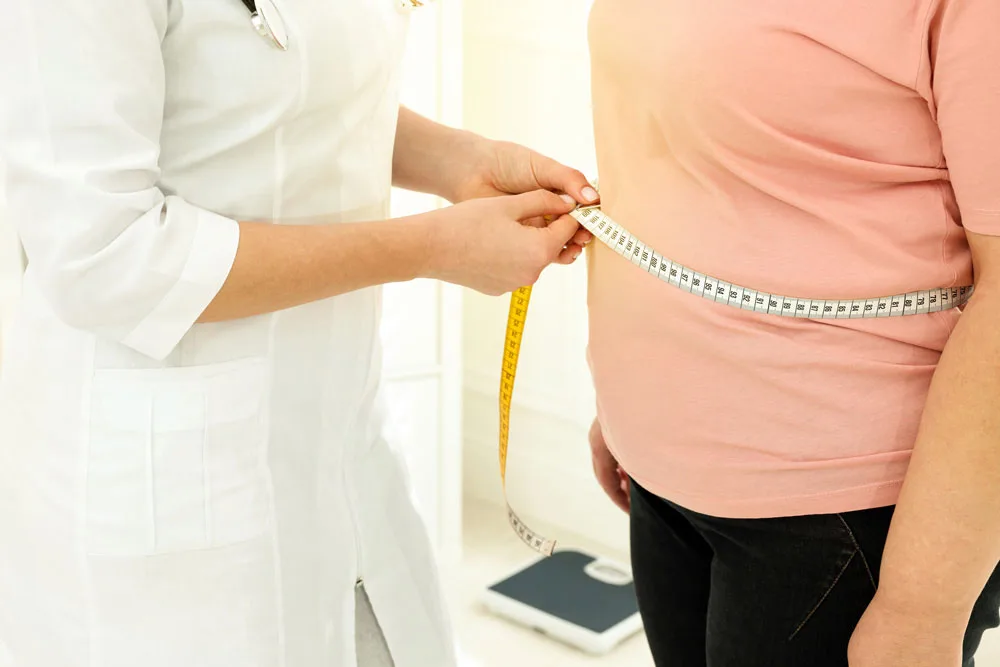
Waist measurement will allow you to track changes in your body composition. But remember that daily measurements may vary due to different factors. Always take measurements from the same point and make sure that the measuring tape is kept level along your body. Do not apply too much pressure to the tape.
Try to maintain uniform conditions for taking the measurements, for instance, at the same time of day. Weekly or monthly measurements will be more informative than daily ones. You can watch the changes in the way your clothes fit and take photos of yourself. These changes will appear even if the scale weight does not change.
Why Is Your Waist Size Hard to Predict?
Weight loss following bariatric surgery is a process and not an instantaneous one. The rate at which you lose weight may change as time progresses. There could even be phases of slower weight loss. Your ultimate waist size after bariatric surgery cannot be estimated based on the extent of weight that you will lose. Factors such as your initial weight, age, genetics, body composition, and skin elasticity are all important here.
Even after weight loss, loose skin may persist around your abdomen. Physical exercises will help make your muscles stronger, but they cannot reduce the excess skin. If loose skin persists despite weight stabilization, you can consult a medical expert regarding your next course of action.
Focus On Health Rather Than Waist Size Alone
A slimmer body is an indicator of success, although it is not the sole determinant of a successful bariatric surgery. Loss of weight leads to improved blood glucose levels, blood pressure levels, and mobility. Becoming more physically active is also an additional health benefit besides the loss of weight.
So, rather than striving for a certain waist size, consider adopting behaviors that enhance your health in the long run.
Final Thoughts
Bariatric surgeries aim to help patients lose significant weight that is unresponsive to other weight loss procedures. It influences the overall shape of the body positively, but decreasing waist size after bariatric surgery is primarily associated with other factors. You can’t burn the fat in your waist area specifically, but proper nutrition, sufficient protein intake, exercise, proper hydration, and routine follow-ups will help your body change its shape.
Do not rush, and do not push your body beyond its limits with extreme diet plans and intense exercise programs. Dr Tahir Yunus is a weight loss surgeon at ALSA Pakistan who sets realistic expectations and plans each patient's care around their goals. His communication skills and clinical experience enable him to provide the best course of action that matches patients' goals.
Ready to take the next step toward lasting results? Book a consultation with Dr Tahir Yunus at ALSA Pakistan for expert guidance and compassionate care at every stage of your weight loss journey.
