
Blogs
Why Does an Appendix Happen? Causes and Warning Signs
An unpleasant, uncomfortable feeling starts in the belly during an average day. Usually, it’s considered just a case of indigestion, eating poorly, or an upset stomach. Hours pass, and instead of going away, the discomfort moves to the lower right side of the abdomen and transforms into severe and unbearable appendix pain. It becomes difficult even to stand up or breathe deeply. These symptoms may indicate appendicitis that can lead to life threatening situations that require appendix laparoscopic surgery.
Evaluation by professional gastrointestinal surgeons becomes essential in ensuring the protection of the abdomen. Advanced laparoscopic appendectomy surgery offered at ALSA Pakistan by Dr. Tahir Yunus makes it possible for the patient to get quick treatment that halts inflammation at its root cause.
Knowing how the appendix works, the real reasons behind the inflammation of the appendix, and when it’s time to undergo emergency surgery, or appendectomy, gives patients some answers.
What Does "Having an Appendix" Actually Mean?
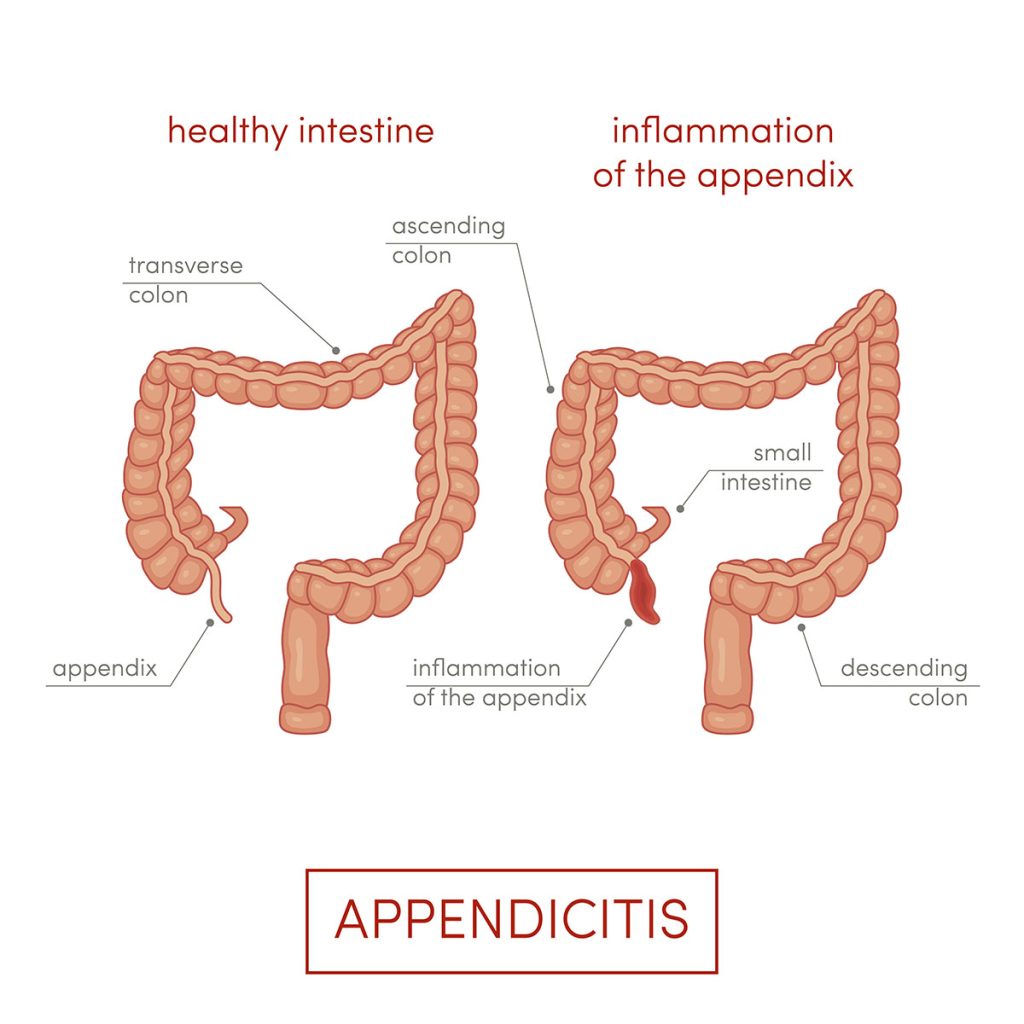
Everyone is born with an appendix in their body. It's a tube-like organ with a length of around 3 to 4 inches. Situated in the lower right portion of the abdomen at the junction of the small intestine and large intestine, appendix plays a role in gut immunity, but its functions are not fully understood. When this little organ is obstructed or gets infected, the patient experiences appendicitis. Appendicitis occurs when the appendix becomes inflamed. A blockage may contribute to the condition, allowing bacteria to multiply, but the exact cause is not always known.
Hidden Causes of Appendicitis
Appendix inflammation happens due to mechanical obstruction that rapidly becomes bacterial in nature. The common causes of appendicitis are:
Calcified Fecal Masses (Appendicoliths): Small pieces of fecal matter can become hard and form a small stone-like body that becomes lodged in the small opening of the organ.
Inflamed Lymphoid Tissue: The walls of the gastrointestinal tract have immune system cells. As the body battles a cold or a viral infection, such as viral gastroenteritis, the lymphoid tissue swells up, blocking the opening of the sac.
Small Objects or Parasites in the Intestine: While such conditions are uncommon, there is always a chance that small objects or intestinal parasites can get stuck in the opening.
Tumors, Strictures or Growths in the Abdomen: Benign or malignant tumors and chronic conditions such as Crohn’s disease can gradually lead to narrowing of the entry channel.
In all these instances, when the passage becomes obstructed, the mucus production continues, high pressure builds up, and blood vessels are compressed and inflamed.
Subtle Signs to Intense Discomfort
The symptoms of appendicitis don’t strike suddenly; rather, it takes several hours before the process reaches its peak. Identifying the warning signs helps to avoid possible complications.
The Moving Pain as a Red Flag
Pain migration is the primary symptom that defines an appendicitis attack. Pain usually begins as a mild cramping pain around the navel area, which intensifies gradually as the pain moves to the right side of the abdomen within 12–24 hours following the onset of pain. At this point, laughter, sneezing, and walking over an obstacle may cause the spasm.
Digestive Disorders and Lack of Appetite
The abrupt lack of appetite serves as one of the first symptoms of appendicitis, because the patient can’t even think about food without getting the feeling of discomfort. Nausea and vomiting occur when the pain starts. If the digestive disorders appear earlier than the pain, then it’s usually just a stomach infection.
Low-Grade Fever and Chills
With the body’s immune response to the bacterial growth within the blocked pouch, low-grade fever between 99°F and 100.5°F (37.2°C to 38.1°C) becomes common. In cases where the organ starts perforating or rupturing, the temperature increases rapidly, along with chills and excessive sweating.
Gastrointestinal Disturbances
Since the affected organ is located adjacent to the colon and pelvic region, it interferes with the normal functions of the gastrointestinal tract. For some people, this results in watery diarrhea, whereas for others, it causes extreme constipation with trapped gas.
Recognizing the Difference: Appendicitis vs. Common Stomach Issues
It’s often difficult to distinguish between normal stomach problems and the causes of appendicitis. The table below compares the behavior of appendicitis with normal food poisoning and gas pains:
| Symptom Feature | Acute Appendicitis | Food Poisoning/ Stomach Flu |
Trapped Gas or Indigestion |
|---|---|---|---|
| Pain Location | Starts near the navel; migrates steadily to the lower right side | Generalized cramping across the entire abdomen | Diffuse, shifts around, or localized high in the stomach |
| Pain Quality | Persistent, sharpens over time; worsens with movement or coughing | Cramping waves that come and go; often relieves after vomiting or diarrhea | Dull, pressure-like cramping; relieves after passing gas or bowel movement |
| Appetite | Total loss of appetite is almost universal | Nausea is heavy. Appetite returns once the stomach settles | Appetite may dip temporarily from bloating. It recovers soon |
| Timing Pattern | Gradually worsens over 12 to 48 hours | Rapid increase in a few hours and subsides over 1 to 3 days | Resolves within a few hours |
| Fever Presence | Common low-grade fever. Increases if untreated | Involves moderate fevers from systemic viral bugs | Very rare; body temperature remains normal |
The Risk of Appendix Rupture
The "wait and see" approach is risky since, without proper medical attention, the inflamed appendix can burst within 48 to 72 hours from the start of the symptoms. Once the appendix bursts, the contents of the infected organ spill inside the abdomen, leading to peritonitis.
At the exact moment of rupture, the severe localized pain disappears, giving a false sense of improvement. But shortly thereafter, intense pain occurs throughout the abdomen. The patient also has a high fever and a rapid heartbeat. Immediate evaluation is critical once the pain shifts.
Protect your health from appendix damage. Get safe, advanced appendix removal surgery at ALSA Pakistan.
How Physicians Diagnose the Problem
The following are the procedures performed by the health care team upon arrival at the hospital:
- Physical examination: Palpation of the right lower abdominal area with the pressure being instantly released. This indicates irritation of the peritoneum (rebound tenderness).
- Blood test (CBC): Checks whether there is an elevation in white blood cell count, which shows infection.
- Urinalysis: Excludes the possibility of having a kidney stone, UTI, or any other pelvic problem that can cause appendicitis-like symptoms.
- Ultrasound or CT scan: With the use of high-quality images, the doctor will be able to view the appendix and diagnose inflammation of the appendix walls.
Modern Appendix Removal Surgery Treatment
Upon confirmation of the condition and causes of appendicitis, the only appropriate treatment is appendix removal surgery, which is technically called an appendectomy. The surgery stops the infection from spreading and prevents any perforations that may occur. As a result of advancements in surgery, the procedure has become very common and relatively safe. Recovery from an appendectomy varies depending on the surgical approach and the patient’s condition, but most people resume normal activities within a few weeks.
Laparoscopic Appendectomy: In the majority of cases, the surgery takes place through several small incisions via a camera and special tools. This approach leads to minimal scars, pain, and faster recovery. It takes a patient to be discharged from the hospital in 24-48 hours and 1- 2 weeks to get back to normal life.
Open Surgery: If the appendix has already ruptured or there is scar tissue, one big incision is made on the lower right part of the abdomen to drain the infection and remove the infected tissue.
Antibiotics as Support: To kill any remaining bacteria, patients are prescribed specific intravenous antibiotics during and after the surgery.
Final Thoughts
A sudden intense pain in the abdomen can be alarming but listening to what the body has to say can actually mean saving a life. Inflammation of the appendix is not simply an issue, it’s a physical obstruction that requires urgent treatment. If someone experiences symptoms of appendicitis such as persistent abdominal pain moving towards the lower right side, accompanied by other symptoms like nausea and mild fever, they should refrain from taking painkillers and visit a doctor immediately. It not only protects the body but also enables a person to live a normal life once again. Neglecting the causes of appendicitis and shifting abdominal pain can be fatal because of the risk of rupture.
At ALSA Pakistan, Dr. Tahir Yunus provides advanced laparoscopic appendix removal surgery using minimally invasive surgical techniques to help patients receive effective treatment for appendicitis. With a focus on accurate diagnosis, personalized treatment planning, and patient safety, he aims to minimize surgical discomfort, reduce recovery time, and support a smoother return to daily activities. From the initial consultation to post-operative follow-up, Dr. Tahir Yunus guides patients through each stage of treatment, ensuring they understand the procedure, recovery expectations, and necessary aftercare.
