
Blogs
How to Reduce Belly Fat After C-Section
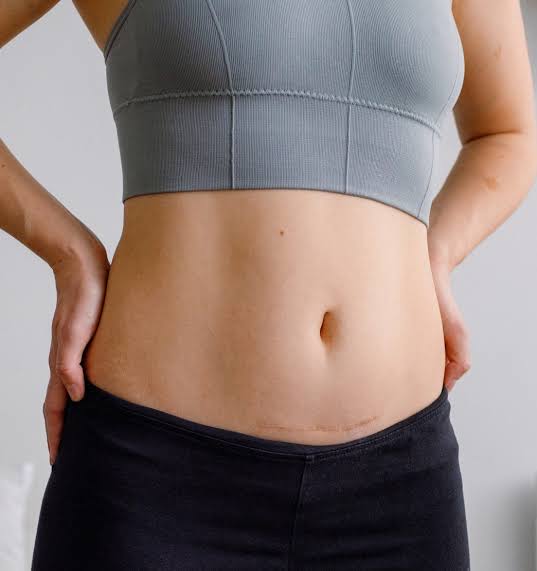
Having a baby is a life changing experience. But looking in the mirror during the first few weeks after delivery, many moms suffer quietly from some sort of sadness. The baby is sleeping peacefully across the hallway while her body looks and feels different. A loose lower abdomen hangs over the painful surgical incision, creating what’s known to many women as a stubborn pouch or "shelf" that is heavy, numb, and swollen. For women attempting to reduce belly fat after C-section, a reminder that the body is still recovering from major surgery is discouraging, daunting, and isolating.
Take the first step towards healthy living and schedule an appointment for an individual consultation with a specialized weight loss surgeon like Dr. Tahir Yunus, at ALSA Pakistan. Apart from personalized treatment plans, advanced laparoscopic bariatric surgery and follow up procedures with dietitians and prescribed medication, patients get the full set of assistance in order to reach and hold a healthier weight.
This article will help you to reduce your belly fat after giving birth to a child.
Why Belly Fat After C-Section Feels So Different
A C-section is more than simply giving birth; it's abdominal surgery that requires numerous incisions in the body from skin through fat, fascia, and muscle tissue. Mothers who find their bellies feeling strange in comparison to their vaginal births can attribute the delay in the reduction of their tummies to several physical changes:
Fluid Retention: With the amount of physiological stress put on the body during delivery via C-Section and the fluid that’s used to sustain the body through delivery time, the excess retention can build up and cause post-surgical swelling for quite some time.
Scar Tissue and Adhesions: As the surgical wound heals over, a new layer of fibrous collagen forms just under the surface. This creates adhesions that pull the skin tight against the muscle layers underneath and form a belly pouch.
Diastasis Recti: During pregnancy, hormonal changes and the expanding uterus stretch the abdominal wall and the connective tissue between the two sides of the rectus abdominis muscles. This can cause the muscles to separate, reducing abdominal wall support and sometimes resulting in a visible bulge in the abdomen.
Recognizing the Difference: Appendicitis vs. Common Stomach Issues
It’s often difficult to distinguish between normal stomach problems and the causes of appendicitis. The table below compares the behavior of appendicitis with normal food poisoning and gas pains:
| Recovery Phase | Primary Goal | Recommended Activities | What to Avoid |
|---|---|---|---|
| Weeks 0–6 (Initial Healing) | Cellular repair. Swelling reduction | Slow household walking. Diaphragmatic breathing. Pelvic tilts | Crunches, heavy lifting, restrictive dieting |
| Weeks 6–12 (Deep Activation) | Restoring pelvic floor and deep core | Guided transverse abdominis activation, scar massage, stroller walks | Running, high-impact aerobics, heavy barbell squats |
| Months 3–6 (Metabolic Rebuilding) | Progressive fat loss, tone building | Low-impact resistance bands, bodyweight training, gentle swimming | Fasted workouts, extreme caloric deficits |
| Months 6+ (Strength & Refinement) | Long-term body recomposition | Progressive strength training, targeted core integration, brisk cardio | Poor lifting form, ignoring lingering pelvic floor weakness |
Transform your postpartum health: Get safe, advanced weight loss surgery in Pakistan with American-certified specialist Dr. Tahir Yunus at ALSA Pakistan.
Restoring the Core: Deep Muscles Over Sit-Ups
Whenever thoughts of getting rid of belly fat come up, most mothers automatically think of doing hundreds of crunches or planks. Post C-section, it’s the fastest way to get hurt. Crunches place pressure on the surgical wound, pushing it outwards and causing further abdominal separation. Effective weight loss after having a baby starts with allowing the body to recover and gradually returning to safe physical activity. Here are some easy methods to reduce belly fat after C-section:
1. Diaphragmatic “Belly Breathing” Exercise
The breathing technique is the primary exercise for developing core strength. Inhale so that the abdomen and ribs expand just like a balloon. As you exhale, suck in your belly button while lifting the pelvic floor muscles. This gentle pumping movement activates the transversus abdominis – our internal corset.
2. Scar Mobilization
After a C-section, the external incision usually closes within a few weeks, while the abdominal tissues and uterus generally need around 6–8 weeks for initial healing. Mild desensitization and scar mobilization can be done to loosen up thick internal scar tissue. Rolling the skin around the scar tissue stops it from puckering, allowing the skin to sag less.
3. Stabilizing Exercises
As an alternative to flexion exercises, mothers can consider stabilizing exercises:
Glute Bridge: Work on the posterior chain muscles to relieve tension from the front of the pelvis.
Heel Slides: Lie down and slowly pull the heels out, then pull them back with lower abdominals.
Bird Dog: In a hands-and-knees position, the extension of the opposite arm and leg can create a balanced posture without stressing the scar tissue.
Feeding the Body: Nutrition for Healing and Weight Loss
Severely restricting calories during postpartum recovery may interfere with healing, energy levels, and nutritional needs. A balanced eating pattern that provides sufficient energy and nutrients is a safer approach, especially for women who are breastfeeding. Postpartum nutrition that supports fat loss should stay balanced including:
Protein and Collagen: Eggs, bone broth, wild salmon, and tender chicken have protein and other important amino acids like glycine and proline, which repair the damaged skin and fascia.
Healthy Fats against Inflammation: Avocados, olive oil, chia seeds, and walnuts are beneficial when it comes to systemic inflammation and keeping your blood sugar stable.
Detoxification through Hydration: Drinking plenty of water may be a strange recommendation for women who feel bloated, but good hydration is what helps the body regulate fluid balance. It also aids in the production of breast milk for breastfeeding mothers.
Gut Health with Fiber Intake: The strain on the toilet may put a lot of pressure on the already healing pelvic floor, which means the need for proper digestion through fiber consumption in berries, steamed greens, oats, lentils, etc.
Sleeping and Cortisol Production: Fat reduction isn’t just a mechanical process but a biological and emotional one as well. Lack of sleep, intermittent feeding, and postpartum stress result in the high production of the stress hormone called cortisol. High cortisol production results in the increased release of glucose by the liver. Some changes in the lifestyle help women preserve their hormonal balance:
- Getting as much sleep as possible, even just lying still for 20 minutes and not looking at any screens.
- Assigning chores around the house and having someone to assist in doing those chores.
- Breathing slowly five times before meals, moving the nervous system from the "fight or flight" mode to the "rest and digest" mode.
When Surgery is Necessary
After several months, a year, or even longer, there may be cases when some women find out that despite a healthy diet and exercise of abdominal muscles, their abdomen doesn’t return to its initial state. In some cases, excessive pregnancy weight gain or previous obesity makes it difficult to lead an active lifestyle.
In people with excessive metabolic stress or high levels of residual weight, surgical interventions like weight loss surgery or body contouring surgeries are also taken into consideration. Unlike bariatric surgeries, which are aimed at decreasing metabolic stress and weight of the whole body, cosmetic surgeries are aimed at getting rid of excess skin.
Extending Grace to a Body That Created Life
Getting the strength back and getting rid of the belly fat after C-section is a process and not a race. What the belly has gone through is more than nine months of physical change, plus major surgery that ended in a safe delivery. Women simply need to listen to their bodies and give them the time needed, and by doing deep core exercises and feeding their metabolism with healthy meals, they will be back to being fit again. Even though these changes provide a basic foundation, it is vital to know when it’s time to seek clinical advice from specialists at ALSA Pakistan. If the necessary weight changes can't be achieved only via a change in lifestyle, medical interventions may help improve one’s condition and work towards a healthy weight.
Visit ALSA Pakistan for an individual consultation for weight lo
