
Blogs
List of Do’s and Don’ts After Appendix Surgery for Speedy Healing
Healing is a vital stage of appendicitis surgery recovery. It starts right after the operation and has a considerable impact on the general result of the appendectomy. Appendicitis surgery, or appendectomy, is surgery with the aim of removing the infected appendix.
Even though the operation is usually quite safe and represents one of the most popular emergency surgeries performed all around the world, its success largely depends on many different factors. This is why patients need to take proper care during recovery. Small mistakes can put any individual in big trouble.
For convenience, getting a list of dos and don’ts after appendix surgery can perfectly work. Proper medical recommendations will help you avoid typical mistakes associated with recovery, minimise the amount of pain and prevent complications.
However, all of the above, the competence of the surgeon matters a lot.
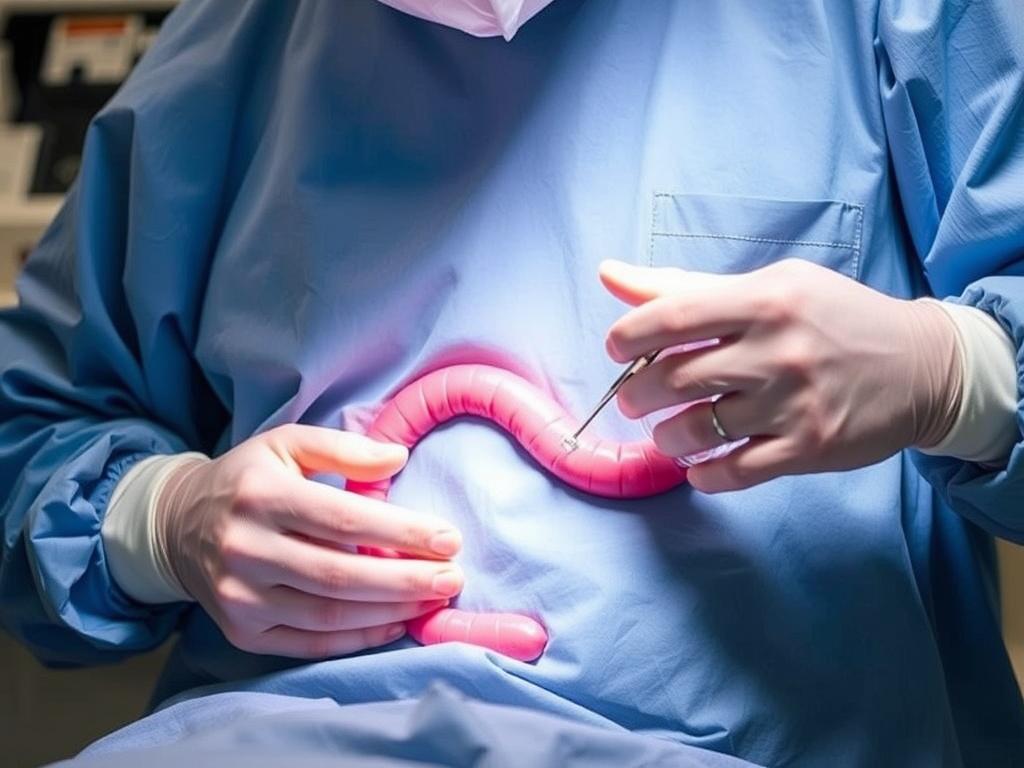
Dr Tahir Yunus at ALSA Pakistan not only ensures the provision of advanced techniques of laparoscopy but also assists his patients till final recovery.
This article describes what a person should do and must avoid after appendicitis surgery for a quick and safe recovery.
What Is Appendix Surgery?
An appendectomy is a surgical removal of a damaged or inflamed appendix. The appendix is the name of a relatively small organ present in the human abdomen. Experts suppose it to perform minimal functions. Inflammation of this particular part results in a disease “appendicitis”. If not treated in time, the appendix could get inflamed and may even rupture, leading to peritonitis (an infection of the abdominal lining).
In such circumstances, there is no better treatment than conducting surgery. Appendix removal or appendectomy is a relatively safe abdominal surgery. It is frequently performed on an emergency basis. Surgeons may use either an open or a laparoscopic approach, depending on the severity of the situation.
For instance, an open appendectomy perfectly works if the appendix has ruptured. In comparison, laparoscopic surgery to treat a ruptured appendix is less risky and provides for faster recovery for the elimination of an unruptured appendix.
Regardless of the type of surgical approach used, recovery commences soon after the completion of the surgical process. Nonetheless, how the patient spends recovery time significantly determines how successful the entire process will be.
Dos After Appendix Surgery:
A smooth rehabilitation and resuming a healthy life status is what everyone wants after surgery. Simple but significant, “dos after appendix surgery” need a keen look in this regard. By following them, you can make your recovery phase smoother and more successful.
1. Doctors' instructions are fundamental:
A specialist plays a crucial role in ensuring proper healing after surgery. His protective role ensures you get proper healing after surgery. By following his instructions, you can save your surgical site from the likelihood of potential complications and get faster healing while facing less discomfort.
2. Rest is medicine:
After surgery, you will feel pain and fatigue, as one organ is removed from the body; that is normal. Therefore, taking rest acts as healing medicine in the form of 6-8 hours of sleep and naps. In this way, your natural repair system gets enough time to mend your body.
3. Start slow walking:
When you stop walking, so does your healing ability. Here, slow and regular walks play a helping role in faster healing from appendix operation. It is most effective in improving circulation and preventing muscle stiffness.
Not only does it reduce the risk of forming blood clots, but it also makes your bowel movements smooth by returning them to normal.
4. Nothing is possible without a good diet:
After surgery, the body needs more metabolic support. It can come from nutrients you get through your meals. Make sure your food comprises a lot of protein, fibre, and vitamins. They provide the body with essential elements to repair and heal itself, along with providing enough energy.
Eat soft foods at the start that don't contain much fibre; otherwise, it puts pressure on your digestive system and then start solid food when your surgeon permits you. In the beginning, broth, soup, plain meals or snacks, mashed potatoes, bananas, pudding, or fruit juices like apples are recommended.
Ensure a safer Recovery and lasting health: Visit ALSA Pakistan for advanced appendix surgery
5. Maintain proper Hydration
Consumption of regular amounts of water keeps the body hydrated. Water assists in moving nutrients around. It is also important in helping prevent constipation, which often results from taking more antibiotics and pain medications.
6. Take good care of the surgical site:
It is important to keep the incision clean and maintain a dry state. Use cotton gauze or a dry towel for this purpose. Moreover, patients can take a gentle shower after 2 days or 48 hours, as per the surgeon's consent. But avoid rubbing the incision site.
7. Wear comfortable clothes.
Use such comfortable clothes that don't stick to the body. It means that they are loose and soft enough that they don't touch or stick to the incision area or bandage. In this way, these types of clothes allow the recovery to become smoother.
8. Emotional health is equally important
After surgery, patients are in severe need of both mental and physical healing. Surgery puts an individual in a state of limitation (in terms of performing usual activities) for some period. At that time, patients need emotional support in dealing with pain, reduced activity, anaesthesia reactions, and medication responses.
The patient is dependent on physical support, either from family members or caretakers. Therefore, realising that all is temporary and staying optimistic is crucial to prevent depression.
9. Coming back to normal activities must be gradual
Although after surgery, the excitement to get back to a normal routine is valid. But in terms of healing, it is not preferred. Because earlier rushing towards daily activities results in putting so much pressure on the surgical site and abdominal muscles. It can delay the recovery process.
Don'ts After Appendix Surgery (What can you Harm?)
Following an appendectomy, the whole body, especially the abdominal area, becomes significantly weak and susceptible to complications. If you comprehend don’ts after appendix surgery, you could guard yourself from various complications. Important precautions include:
- Lifting heavy loads and other vigorous moves are at the top of the list of don’ts after appendix surgery. It puts extra strain on the surgical incisions. In other words, engaging in strenuous activities will result in prolonged recovery periods. You have to wait for the surgeons’ permission.
- Do not ignore any unusual happening that is putting you in trouble. For Example: If the stomach area or the location of the surgical site experiences unusual pain and other sensations, along with evident signs of swelling, pay attention to it.
- It is crucial to avoid eating unhealthy food products that may lead to constipation. Moreover, processed foods also need avoidance.
- Do not neglect the intake of prescribed drugs and scheduled doctor’s visits. It is the only way to identify and deal with any complication at its earliest stage. Eventually, there will be no worse conditions.
- Do not engage in smoking and alcohol consumption, as it might interfere with the medications. Additionally, it will affect your recovery process negatively.
- Never expose the wound to dirt or moisture unnecessarily, as it can lead to infection. Avoid water contact in the form of taking a shower or bath.
- Moreover, a patient should not use hot or cold water in the bathtub until they get their surgeon's approval. It minimises the water exposure at wound sites to prevent bacterial growth.
- Stay away from fizzy, sugary or carbonated drinks. They cause more gas production and hence bloating, resulting in unnecessary strain in the abdominal cavity.
Warning Signs to Watch For
It is regular to have mild discomfort or symptoms (pain, swelling) after appendix surgery. But some warning signs need urgent attention, including:
- Consistent or worsening pain in the abdominal area or swelling
- Redness or swelling at or near the incision area
- Any (blood) or (pus) discharge from the incision site
- Nausea, fever, or vomiting
- Difficulty in gas passing or stool
Wrapping Up
In the end, no one wants to have cuts without a severe need. Appendix surgery is one such procedure. Surgeons recommend it when inflammation of the appendix could be life-threatening. Recovery from an laparoscopic appendectomy is a gradual process that can become faster if someone knows what the dos and don’ts after appendix surgery are.
Although surgery has resolved the main issue, the results of recovery depend greatly on these careful measures that a patient should take during the healing phase. It can help you avoid postsurgical complications for the rest of your life. Not only do these considerations help in preventing setbacks from problems, but they also clear paths to return to normal activities soon.
Every individual has a unique experience with the recovery process. An experienced specialist can give you great medical support for a better experience. The most essential thing to do is to approach someone knowledgeable in healthcare, like Dr Tahir Yunus from ALSA Pakistan. He has vast experience in laparoscopic surgeries, especially appendectomy and is dedicated to helping his patients get their recovery pointers. Being under expert care and following the instructions can help you make a comeback to a healthier life sooner.
